Print Story
X




Eliminating industrial trans fats from our food supply can safeguard public health and save countless lives
| T |
here are moments in public life when a single conversation, a single fact or a single shared experience lingers with you long after the event has ended. I remember sitting in the bright, bustling meeting room of the University of Veterinary and Animal Sciences a month ago, surrounded by students, nutrition experts and civil society representatives gathered for a roundtable discussion organized by Pakistan Youth Change Advocates. I had expected an informative session, perhaps even a spirited exchange of ideas. What I did not expect was to walk out of that room with a sense of alarm that settled deep within me.
As the presentations unfolded, one statistic after another revealed a truth that was impossible to ignore: the food we eat every day — including the staples in our kitchens — could be silently contributing to a plethora of dangerous diseases through the presence of partially hydrogenated oils. Food technologists and advocates explained how industrially produced trans-fatty acids (iTFAs) form during the partial hydrogenation of edible oils and how deeply PHOs have seeped into everyday diets, especially among lower-income households that rely heavily on inexpensive frying mediums and street foods. It felt as though a hidden danger had suddenly come into sharp focus. That roundtable did not simply inform; it transformed our understanding of a public health threat that had been hiding in plain sight.
Since that moment, a considerable time has been spent studying the issue further, consulting experts and reviewing global evidence. The more we learned, the clearer it became that we are dealing with a preventable crisis—one that demands decisive and urgent legislative action in the Punjab and across Pakistan. Industrial trans fats have long been recognised globally as a major contributor to heart disease, which is one of the leading causes of premature death in Pakistan. These fats raise harmful LDL cholesterol, lower beneficial HDL cholesterol and significantly increase the risk of heart attacks and strokes. Industrial trans fats are also linked to diabetes, various types of cancers, obesity and Alzheimer’s Disease, among other ailments.
What makes this crisis particularly tragic is that industrial trans fats are not an unavoidable part of our diet: they are created almost entirely through an industrial operation—the partial hydrogenation of edible oils.
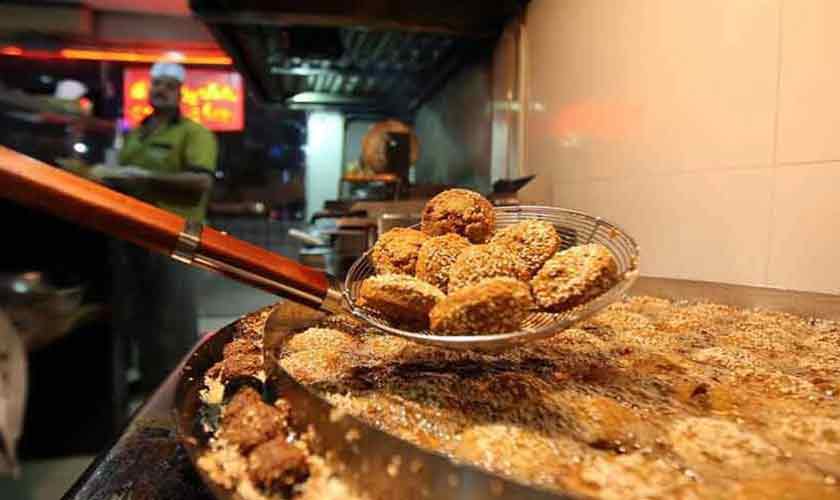
Many people imagine trans fats as something that may appear occasionally in packaged snacks or fast foods. The reality is far more pervasive. PHOs are not just used in bakery fats, confectionery items and deep-fried foods such as halwa puri, samosas, parathas, etc, but also homemade, simple meals can be laden with toxic trans fats if they are made in a banaspati ghee that was manufactured through partial hydrogenation of oils. Those who consume them more frequently are often those with the least access to information about food safety and the least ability to seek healthier alternatives. Children, students, labourers and low-income families are disproportionately exposed to these harmful fats because the cheapest food options are often prepared with PHOs.
We are dealing with a preventable crisis—one that demands decisive and urgent legislative action in the Punjab and across Pakistan.
That said, it is important to recognise the positive steps taken so far. In 2025, the Pakistan Standards and Quality Control Authority introduced a nationwide regulation limiting industrial trans fats across all food items to 2 per cent of the total fats. This is commendable and an important milestone in Pakistan’s journey toward safer food systems. However, while the regulation is a valuable safeguard, it does not go fast enough. The 2 per cent limit restricts the amount of trans fats allowed in food items, but it does not eliminate the source of the problem. Industrial trans fats are mainly produced through the process of partial hydrogenation. PHOs are not an accidental contributor—they are the intentional result of that process. With the iTFA limit now in place, the partial hydrogenation process has no remaining nutritional, scientific, or economic justification to exist.
This is why the presence of PHOs in our markets remains deeply concerning. As long as partial hydrogenation is legal, industrial trans fats will continue to find their way into our food supply. Without a legislative ban on PHOs, even the significant regulatory efforts will leave segments of the population unprotected. A dual approach—retaining the 2 per cent limit while banning PHOs entirely—is the only way to ensure that trans fats do not continue entering our diets through unmonitored channels.
Several countries across the world—including Saudi Arabia, Egypt, Canada, Philippine, and Mexico —have already eliminated PHOs through legislation. We have seen from the examples of several Pakistan-based industries that our country’s food sector is fully capable of making this transition as well. Many manufacturers have already shifted to healthier alternatives. All that is needed now is strong, clear legislation that sets the direction firmly.
A Calling to Attention notice has been submitted in the Punjab Assembly to formally bring this matter to the floor of the House. Every region of Pakistan deserves legislation that protects its citizens from harmful fats that have no place in our diets.
We have the scientific evidence. We have regulatory foundations. We have public demand and we have both national and international models to follow. What we need now is the political will to take swift decisive action. By introducing a comprehensive ban on PHOs, we can eliminate industrial trans fats from our food supply, safeguard public health, and save countless lives in the years ahead. Punjab has the opportunity—and the responsibility—to lead the way.
Zeba Ghafoor is a member of the Punjab Assembly.