Print Story
X




With a breakout hit and the creation of a platform for young artists, Junaid Kamran Siddique hopes to contribute to contemporary music as more than just a singular artist. In this interview with Instep, he talks about his creative journey, influences and the future of regional sounds.

| A |
n upcoming singer and musician, Junaid Kam-ran Siddique (JKS) came into the spotlight with his song ‘Sada Ashna’ from the 2025 film Love Guru. ‘Sada Ashna’ resonated with listeners at home and abroad, and in doing so became a bonafide hit. It also renewed interest in Pashto melodies, highlighted Siddique’s ability to bridge music in a cultural context and helped establish him as a distinctive and compelling new voice.
The singer and composer’s path is a reflection of both ambition and discipline. Raised in a devout and traditional household, he pursued music with determination, navigating expectations while staying true to his craft. His story shows what can be achieved when talent and persistence align.
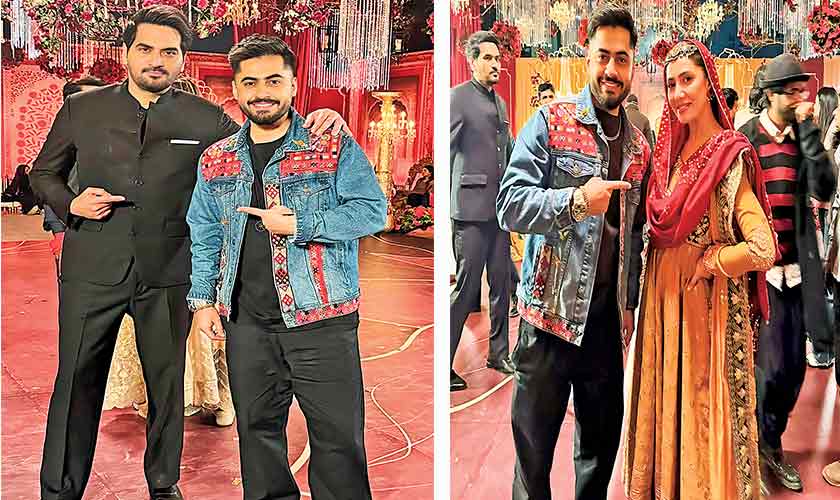
In 2017, he founded Jaam Boys, an initiative supporting young street musicians with guidance, training and exposure. In this candid interview, Junaid discusses the milestones of his career, the principles guiding his work and his perspective on how culture and technology continue to shape contemporary music.
Instep: How did your song ‘Sada Ashna’ get discovered by the Love Guru team and what was the impact on your career?
Junaid Kamran Siddique (JKS): The team discovered it online and immediately felt that the song’s emotion comple-mented the film’s narrative. Their respect for Pashto culture meant a great deal. The experience introduced audiences around the world to Pashto music, encour-aging wider appreciation for regional sounds.
Instep: Did you interact with Mahira Khan and Huma-yun Saeed? How did they interpret the depth of your Pashto lyrics?
JKS: Yes, I interacted with both of them and found them genuinely respectful and curious. Understanding the meaning behind the lyrics added depth to their performances and showed how collaboration can enhance cultural storytelling.
Instep: How do you app-roach composition?
JKS: I aim to honour the traditional elements of Pashto music, including ragas and rubab patterns, while blending them with modern production tech-niques. This allows me to celebrate the roots of the music while creating a sound that feels current.
Instep: What inspired you to establish Jaam Boys and what is its mission?
JKS: I wanted to do more than create a music group. My goal is to help young artists by discovering and developing their talent. Jaam Boys has grown into an inclusive platform for boys and girls. I mentor them per-sonally, teaching discipline and stage etiquette. Watching young musicians step into the spotlight is incredibly rewarding. Our mission is to empower artists and nurture the next generation.
Instep: How did your musical journey begin?
JKS: I completed a Masters degree in Business Adminis-tration in marketing, which still shapes how I plan releases and reach listeners. This mix of business insight and creativity has helped me navigate the music industry confidently.
Instep: What was the defining moment that made you realise music was your true calling?
JKS: Growing up in a religious and traditional house-hold, music wasn’t an obvious path. Listening to qawwalis as a child, especially Ustaad Nusrat Fateh Ali Khan, created a spiritual connection that confir-med music was essential to who I am. That moment became the foundation of my artistic journey.
Instep: Who are your most significant influences?
JKS: My influences range from Sufi and qawwali legends like Ustaad Nusrat Fateh Ali Khan to artists such as Hari-haran, Rabbi Shergill, KK and Haroon Bacha. Internationally, I grew up listening to Guns N’ Roses, The Police and Maroon 5. While global music shapes my sound, my roots in Pashto and regional traditions remain central. I did not receive formal classical training, but learned from experienced ustads and gradually picked up harmonium and guitar while composing. My training is an amalgamation of mentorship, practice and live performance.
Instep: How do you balance melody and lyrics?
JKS: Melody usually comes first, setting the emotional tone. In Pashto music, it’s important to maintain a natural flow so the lyrics feel connected to the tune.
Instep: You sing in multi-ple languages. What role does language play and how invo-lved are you in developing lyrics?
JKS: I often write or co-write lyrics, drawing on my multi-lingual background. My father has roots in Karachi, my mother is a Pathan and I have Punjabi relatives. This allows me to explore cultural nuances gen-uinely. For my Pashto work, I draw inspiration from spiritual poets like Rahman Baba and Ghani Khan Baba, whose themes inform the depth of my lyrics.
Instep: What is your view on technology like auto-tune?
JKS: Technology is a tool to enhance performance and add clarity but it cannot replace emotion. Thoughtful use supp-orts the artist’s vision without overshadowing it.
Instep: How important are platforms like Coke Studio for Pakistani and regional music?
JKS: Platforms like Coke Studio help bring regional music to the mainstream, giving talented artists visibility and allowing audiences to appreciate the diversity of Pakistan’s musi-cal heritage.
Instep: How has social media changed the way you connect with audiences?
JKS: Social media lets me reach listeners directly, build connections and create a community that values both traditional and modern sounds.
Instep: Beyond recording, how essential are live gigs and digital platforms to a musician’s success?
JKS: Live performances are the backbone of a musician’s career. They allow artists to connect with audiences, absorb their energy and build a follo-wing. Digital platforms extend this reach globally, providing
a foundation for a sustainable career.
Instep: What role does television and web channels play today?
JKS: Television and web channels remain important if you wish to reach a wider audience. They complement social media by offering strong visibility for music videos, interviews and culturally rich content.
Instep: What are your upcoming projects?
JKS: I am composing music for an upcoming Pakistani movie and two Jaam Films releases. The first is ‘Nawazish Butt’, a lively Pashto-Punjabi dance number, and the second is an emotional duet with the legendary Saira Naseem, rele-asing in December. Both these projects blend traditions with modern orchestration.
Instep: What is the mission behind Jaam Films and regional collaborations?
JKS: Jaam Films aims to create high-quality, large-scale music productions that cele-brate regional identity and provide smaller regional artists a platform to gain recognition globally.
Instep: What is the core idea behind your Pashto-Punjabi fusion collaboration?
JKS: The aim is to bring two vibrant cultures together in a fresh and dynamic way. To break barriers and mix rhythms to create a sound that celebrates unity and diversity.
Instep: How can regional artists succeed globally?
JKS: By embracing their cultural roots while remaining aware of global trends. Authen-ticity and quality leave a lasting impression. Artists who honour tradition and invest in growth can shine internationally and inspire audiences everywhere.