Print Story
X




Special Advisor to Prime Minister for Industries and Production Haroon Akhtar Khan talks about Pakistan’s first comprehensive National Industrial Policy to ease businesses and investment
| P |
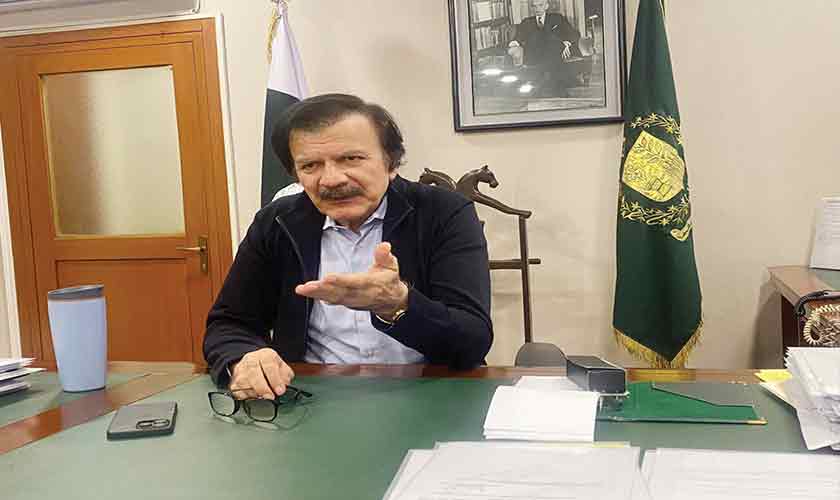
akistan is struggling to improve its economy. There are complaints that unreasonable regulation and unfair taxation are compelling businesses and industries to shift abroad. The Ministry of Industries and Production is working hard under the directions of Prime Minister Shahbaz Sharif to deal with the issue. The News on Sunday spoke to Special Advisor to the Prime Minister for Industries and Production Haroon Akhtar Khan on the issues of industrial decline; the government efforts to tackle it; and the role of the new industrial policy for the revival of the economy. Excerpts follow.
The News on Sunday: There have been reports of industries and businesses leaving the country. How do you see these developments?
Haroon Akhtar Khan: Industries, mainly in the private sector, have a vital role in economic growth. Governments have to provide enablers to industries and businesses to thrive and work well. We have to focus on keeping the tax burden bearable, ending harassment in the name of regulation and protecting businesses. Low or uncertain profits cannot attract entrepreneurs to make investments. A business will only continue if it at least breaks even. When it starts incurring losses, it will default on liabilities. Neither its lenders nor the tax authorities will then wait long for it to regain profitability. We lack bankruptcy and restructuring protections. Businesspeople not doing well run for their lives.
TNS: Why are so many industries leaving the country or shutting down while the government claims the economy is all set to take off? What are their concerns?
HAK: De-industrialisation in the country, a recent phenomenon, is not very well understood. However, some facts are obvious. We have a high tax rate, tough regulations and high energy prices. Why would an investor risk losses when they have easier terms in other countries? There is too much regulation. A lot of money declared in response to the 2019 amnesty scheme is lying abroad. There is nearly $30 billion of it, including $8-10 billion in cash. People are afraid to bring this money to Pakistan and be subject to high taxes and tough regulations. I assume that the money in international banks has gone through all kinds of anti-money laundering filters. We should encourage people to bring this money here. If we do not hold out assurances of security for investments such issues will persist.
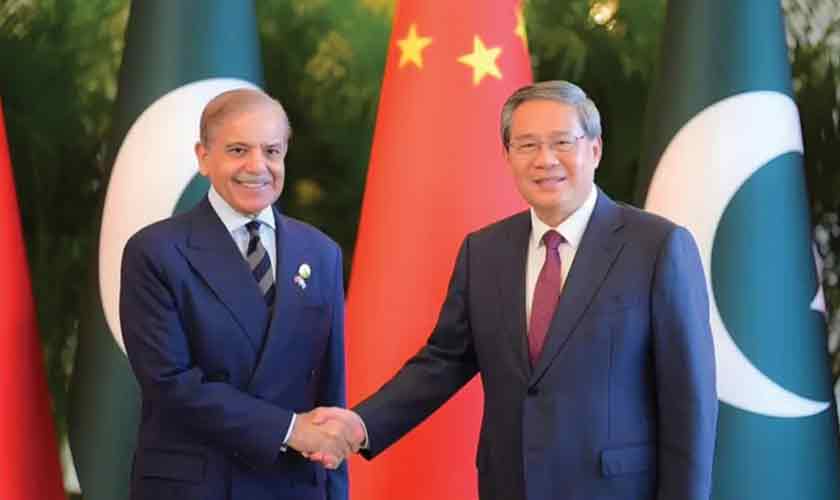
The latest National Industrial Policy will be a key document highlighting and addressing such issues for the international and local industries and investors. Recently, after the prime minister’s visit to China, on the direction of the premier, committees have been formed to review each regulation and suggest changes.
TNS: What is the government doing to deal with these issues?
HAK: The new National Industrial Policy is going to be a key document. We will identify and address such issues for both international and local industrialists and investors. Since the prime minister’s visit to China, several committees have been formed to review regulations and suggest changes. The government has also hired world-renowned regulatory reform consulting American company Scott Jacobs, which has provided services in 135 countries. Its experts say Pakistan’s regulatory framework is unfair to businesses. We are working to make it business friendly.
TNS: How will the proposed industrial policy help the investors?
HAK: The first-ever comprehensive industrial policy is being developed in consultation with all stakeholders including industrialists, chambers of industry, regulators and eminent economists. Prime Minister Shahbaz Sharif believes in consensus. We are working for a consensus on how to make doing business easy. The document is almost ready. For some tax relief measures we need to speak to the International Monetary Fund. We believe that we should abolish the Super Tax, or phase it out. The share of exports in our GDP is currently 9 percent. We need to bring back industrial activity. We need export-led growth and manufacturing-led growth. The industrial policy has to be a combination of monetary policy, fiscal policy and trade policy. The fiscal policy needs to control the fiscal deficit so that growth does not necessitate excessive monetary tightening. Trade policy needs to reduce the trade deficits. We need to enlarge the manufacturing base. It is a herculean task in the current situation. We have to give a competitive edge to the industry. Free trade agreement with China has affected our industrial growth. Before that we did not have the huge trade deficit.
TNS: Can you identify some of the features or targets of the new industrial policy?
HAK: The new industrial policy aims to raise exports to $60 billion by 2030. We are targeting 6 percent GDP growth with eight percent annual industrial growth. We have to take investment to 15 percent of the GDP. We are suggesting comprehensive tariff reform: reducing customs duty slabs; phasing out additional and regulatory duties. We aim to abolish regulatory distortions that have constrained manufacturing competitiveness. As many as 465 outdated or overlapping regulations are being simplified or removed. A new Debt Resolution and Industrial Revival Framework, developed jointly by the State Bank of Pakistan, the Securities and Exchange Commission and the Pakistan Banking Association, is part of the policy. It will help rehabilitate non-performing but viable industrial units burdened by debt and outdated technology. There is also an effort to encourage banks to lower capital adequacy risk weightings for medium enterprises, thereby expanding credit access for small and medium-sized manufacturers.
TNS: How is the Special Investment Facilitation Cell helping bring investment to the ountry?
HAK: The SIFC has a major role in speeding up investments. We are making efforts to remove hiccups in international investment, including Chinese and Saudi investments. Expect to hear good news in this regard. Special committees are working to remove concerns of Chinese investors. The focus is on SEZs. We will see an economic turnaround soon.
The author is a staff reporter. He can be reached at [email protected].