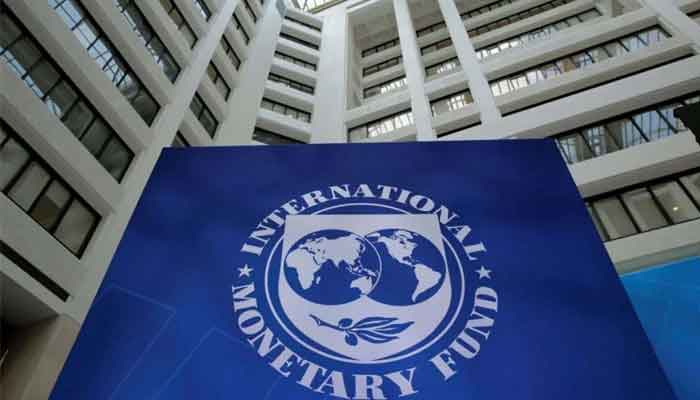
The State Bank of Pakistan (SBP) confirmed on Wednesday that it has received $1.32 billion from the International Monetary Fund (IMF) after its Executive Board completed the third review under the Extended Fund Facility (EFF).
According to the SBP, the IMF had approved the disbursement of $1.1bn under the Extended Fund Facility (EFF) and around $220 million under the Resilience and Sustainability Facility (RSF).
Following the approval, the SBP said it received a total of SDR 914m — equivalent to around $1.3bn — from the IMF on May 12, 2026.
The central bank added that the inflow will be reflected in Pakistan’s foreign exchange reserves for the week ending May 15, 2026.
The IMF had approved the disbursement in a meeting of its Executive Board on May 8, the fund said.
It also gives Pakistan fresh support as it rebuilds reserves and tries to keep inflation in check, while meeting IMF demands to raise revenue and advance the privatisation of state-owned companies, the IMF said.
The government described the development as a sign of the IMF’s confidence in its policies and reforms. Speaking to Geo News last Friday, Deputy Prime Minister and Foreign Minister Ishaq Dar said the approval of the tranche reflects the IMF’s trust in the government’s measures.
Pakistan’s 37-month EFF arrangement was approved on September 25, 2024, and is aimed at building resilience and enabling sustainable growth.
Key priorities include entrenching macroeconomic stability through sound policy implementation, rebuilding foreign exchange reserves, and broadening the tax base.
It also focuses on strengthening competition and productivity, reforming state-owned enterprises, improving public services, expanding health, education and social protection spending, restoring energy sector viability, and intensifying anti-corruption efforts.
The 28-month RSF arrangement, approved on May 9, 2025, supports efforts to reduce vulnerability to natural disasters and strengthen climate resilience. Reforms focus on disaster preparedness, improved public investment processes, more efficient water use, stronger federal-provincial coordination, better disclosure of climate-related risks, and supporting mitigation commitments.