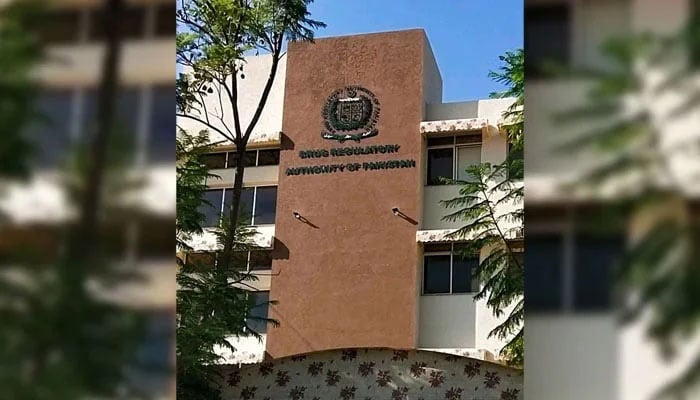
The Sindh health department has asked the Drug Regulatory Authority of Pakistan (Drap) to immediately withdraw directives that could permit advertisements of infant formula products with warning disclaimers, arguing that the promotion of breast-milk substitutes is already prohibited under federal and provincial laws and any relaxation would undermine breastfeeding and violate existing legislation.
In a letter addressed to the Drap chief executive officer, the Sindh health and population welfare departments referred to recent instructions issued by Drap;s Pharmacy Services Division following recommendations of the Senate Standing Committee on National Health Services and said allowing advertisements with messages such as ‘Mother’s milk is the best for a child’ could inadvertently legitimise a practice that is already banned under law.
The Sindh health department maintained that the legal framework required a zero-tolerance approach towards public marketing of breast-milk substitutes.
The department said federal breastfeeding and child nutrition laws prohibited the promotion of breast-milk substitutes throughout Pakistan, while the Sindh Protection and Promotion of Breast-Feeding and Young Child Nutrition Act, 2023, provided broader protections by extending coverage to children up to 36 months of age and criminalising advertising, promotion and marketing of formula products.
The letter noted that the Section 7 of the Sindh law prohibited advertising through electronic, print and social media, public spaces, retail outlets and health care facilities. It also banned cross-promotion, whereby companies use identical branding, logos and colour schemes for products intended for older children to indirectly market infant formula.
It further barred representatives of breast-milk substitute manufacturers from visiting health care facilities, offering gifts, sponsoring medical meetings or distributing promotional materials to health workers and mothers.
According to the department, manufacturers and corporate entities violating the law could face imprisonment of up to two years and fines ranging from Rs500,000 to Rs5 million, while retailers and health care workers involved in promotional activities could also face criminal proceedings and disciplinary action by their professional regulatory bodies.
Describing the issue as one of national health security, the Sindh government urged Drap to work with the Pakistan Electronic Media Regulatory Authority (Pemra), Press Information Department (PID) and newly constituted Infant and Young Child Nutrition Board of Sindh to issue an unequivocal directive prohibiting the advertisement and promotion of infant formula and breast-milk substitutes intended for children up to three years of age.
Sindh Institute of Child Health and Neonatology (SICHN) Executive Director Prof Jamal Raza said paediatricians would not allow the promotion of formula products and any attempt to market breast-milk substitutes would be dealt with under existing laws, particularly the Sindh Protection and Promotion of Breast-Feeding and Young Child Nutrition Act, 2023.
He said Pakistan already had poor child health indicators and that breastfeeding, together with completion of the Expanded Programme on Immunisation (EPI), offered the best protection against malnutrition, infections and preventable deaths among children.
Senior Pakistan Paediatric Association (PPA) leader Dr Khalid Shafi said paediatricians across the country opposed the promotion of formula milk and supported strict implementation of breastfeeding laws.
“We cannot allow anyone to damage the health of our children merely to make business and earn huge profits,” he said, adding that the state was obligated to protect all citizens, particularly infants and young children.