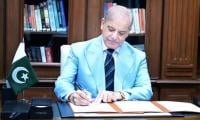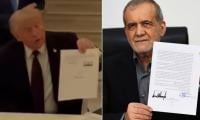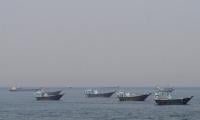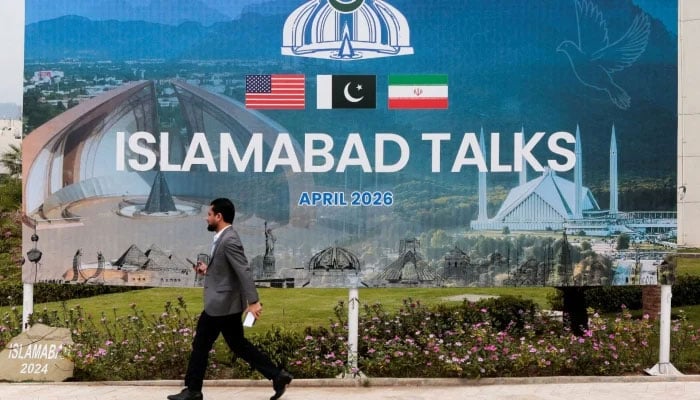
It would not be an exaggeration to call the signing of the Islamabad Memorandum of Understanding between the US and Iran a watershed moment in contemporary diplomacy. With Prime Minister Shehbaz Sharif also signing the historic MoU as the sole mediator, the agreement has not only halted a dangerous conflict that threatened regional and global stability but has also elevated Pakistan’s diplomatic standing on the world stage. The images of US President Donald Trump and Iranian President Masoud Pezeshkian signing the document, alongside PM Shehbaz – all of whom signed it separately in their own countries – are optics many had been waiting for. The 14-point MoU establishes a permanent end to military conflict and initiates a 60-day negotiation process to reach a comprehensive settlement, which will eventually be backed by a binding UNSC resolution. Immediate measures, including the reopening of the Strait of Hormuz, the lifting of the US naval blockade and the waiver of oil sanctions on Iran, offer much-needed relief to an international economy that had been pushed to the brink by war and energy insecurity. The proposed $300 billion reconstruction fund, contingent upon a final agreement on Iran’s nuclear programme, is another possibility. Equally significant is the political message embedded in the agreement. President Pezeshkian’s description of the MoU as a document rooted in dignity, independence and mutual respect reflects a reality that became increasingly apparent throughout the conflict. Despite intense military and economic pressure, Iran showed it was unwilling to compromise on what it viewed as its core principles.
The agreement has also exposed deep divisions within the US. Trump, who once adopted a markedly confrontational stance towards Iran, has noticeably moderated his rhetoric since the signing of the MoU. His recent remarks suggesting that it would be unfair to deny Iran ballistic missiles if other countries possess them have drawn criticism from pro-Israeli lawmakers, media commentators and the Israeli government itself. The fact is that the war was disrupting global trade, fuelling an unprecedented energy crisis and threatening severe economic consequences for countries far removed from the battlefield. Under such circumstances, diplomacy was necessary. There is little doubt that Trump will seek to portray the agreement as a diplomatic victory – though Iran’s emergence from the conflict without surrendering its core positions has led many observers to describe the outcome as a strategic victory for Tehran. The reaction from Israel and influential pro-Zionist circles in the US is also telling. For perhaps the first time in years, Israel appears unable to persuade Washington to continue pursuing its preferred course of action against Iran. Pakistan’s role deserves particular recognition. Islamabad undertook an extraordinarily difficult task and persisted despite significant risks. As a neighbour of Iran, Pakistan had far more at stake than diplomatic prestige. Had the conflict escalated further, the consequences would almost certainly have spilled across borders, destabilising the wider Gulf region and directly affecting Pakistan’s security and economic interests. The international praise that has followed Pakistan’s intervention is well deserved, showing that middle powers can still play meaningful roles in resolving major international disputes when they are willing to engage constructively and persistently.
Yet celebration must be tempered with realism. The MoU is only the first step in what will be a complex and demanding process. The coming weeks of technical negotiations between Washington and Tehran will determine whether this initial breakthrough can be transformed into a durable and comprehensive peace. History offers many examples of promising agreements that ultimately faltered during implementation. For now, however, the world can take comfort in the fact that a dangerous conflict has been halted and a path towards peace has been opened. If the momentum generated by the Islamabad MoU is sustained, it may not only prevent a wider regional catastrophe but also serve as a reminder that diplomacy, however difficult, remains humanity’s most effective tool for resolving conflict.