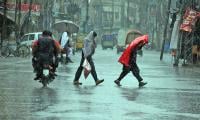
ISLAMABAD: The National Institutes of Health (NIH) has warned that the approaching monsoon season could trigger outbreaks of dengue, malaria, cholera, typhoid fever, viral hepatitis A and E, chikungunya and leptospirosis, while also increasing the risk of electrocution, drowning, lightning injuries, snakebites and trauma caused by collapsing buildings and boundary walls.
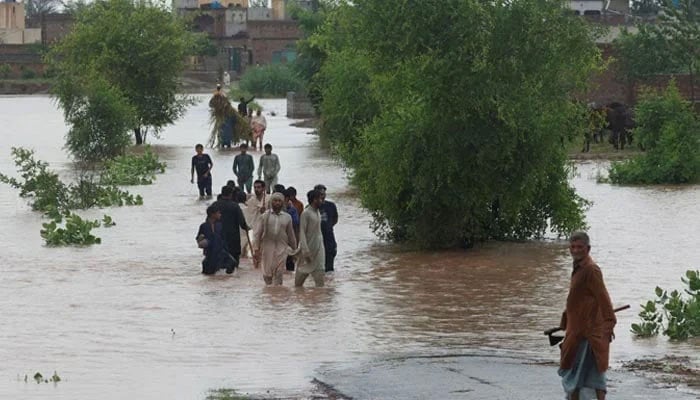
In a detailed advisory issued by its Centre for Disease Control (CDC) on Wednesday, the NIH said heavy rainfall, flooding and waterlogging create favourable conditions for the spread of communicable and vector-borne diseases by contaminating drinking water sources, disrupting sanitation systems and increasing mosquito breeding sites. The advisory stressed that timely preparedness, enhanced surveillance and rapid response measures are essential to minimise illness and deaths during the monsoon season.
According to the NIH, the displacement of populations, overcrowding in relief camps, poor access to safe water and healthcare services, and interruptions in routine public health activities during floods could further accelerate the spread of infectious diseases. The institute said stagnant water promotes the breeding of mosquitoes responsible for transmitting dengue, malaria and chikungunya, while contaminated food and drinking water increase the risk of acute watery diarrhoea, cholera, typhoid fever, and viral hepatitis A and E. Exposure to contaminated floodwaters may also result in leptospirosis, a bacterial infection that can lead to jaundice, kidney failure and bleeding complications.
The advisory warned that monsoon-related emergencies extend beyond infectious diseases. Damaged electrical infrastructure and fallen power lines can result in electrocution, while thunderstorms increase the risk of lightning strikes. Structural damage to houses, roofs and boundary walls can also cause severe injuries and fatalities. Flooding also increases encounters with snakes and other displaced animals, while poor visibility and damaged roads raise the risk of traffic accidents.
The NIH said dengue fever is characterised by a high fever, severe headache, pain behind the eyes, body aches, joint pain, skin rash and nausea, while severe cases may lead to bleeding complications. Malaria patients often develop fever accompanied by chills, sweating, headache, body aches, nausea and anaemia, and severe infections can progress to respiratory distress, altered consciousness and organ failure. Chikungunya infection may cause fever, rash, severe joint pain and prolonged fatigue, while cholera and acute watery diarrhoea can rapidly result in dehydration, shock and death if left untreated. Typhoid fever usually presents with prolonged fever, headache, abdominal pain, weakness and gastrointestinal symptoms. The NIH said leptospirosis can cause fever, headache, muscle pain, jaundice, kidney impairment and haemorrhagic manifestations.
Provincial health departments and district administrations have been directed to strengthen disease surveillance systems, ensure the early detection and reporting of outbreaks, and deploy trained epidemiologists and surveillance staff for outbreak investigations. The NIH also called for strengthening event-based and community-based surveillance mechanisms and maintaining detailed line lists of suspected and confirmed cases. The advisory recommended intensified vector control measures, including the elimination of mosquito breeding sites, environmental sanitation, waste disposal, larvicidal activities and indoor residual spraying in high-risk areas.
It also emphasised the need to ensure safe drinking water through chlorination and quality monitoring, improve sanitation facilities, and promote hand hygiene and safe food-handling practices. Healthcare facilities have been advised to maintain adequate stocks of essential medicines, diagnostic supplies, intravenous fluids, oral rehydration salts, blood products and infection-prevention materials. Hospitals have also been asked to ensure the availability of anti-snake venom, oxygen, burn-management supplies and emergency trauma equipment, and to designate isolation and treatment areas where necessary.
For personal protection, the NIH urged people to avoid contact with floodwaters and fallen electrical wires, switch off electricity before entering flooded buildings, and avoid taking shelter near weak structures, trees and boundary walls during storms. Parents were advised to keep children away from canals, ponds and flooded areas, while people were encouraged to wear protective footwear when walking through waterlogged streets to reduce the risk of snakebites and injuries.