For over a millennium, small princely states, kingdoms, fiefdoms, and other political entities were considered a great curse on regional and global peace, forcing humanity to create nation-states. Then we went beyond this nation-state system, integrating the world into a global community to work jointly for global peace, which had been our dream for centuries. We asserted that the integration of global politics, economy and finance is the way forward, enabling us to enjoy the fruits of science and technology.
But recent conflicts in the Middle East and their global impacts have exposed severe fault lines in this so-called globalisation, showing that such fruits are extremely sour and bitter. They have proved that global integration is not a blessing but rather a curse that has proved catastrophic for several parts of the world. People in general and poor masses in particular have been badly affected because of these conflicts that have not only threatened the global supply of oil and gas but have also created the spectre of food insecurity and hunger in several parts of the world owing to a possible disruption of fertilisers and other agricultural goods.
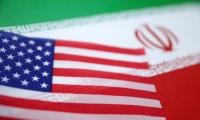
This integration of the world seems to have concentrated power in the hands of a few leaders whose whimsical decisions create chaos in global financial markets in no time. Even sabre-rattling by US President Donald Trump could cause financial markets in Tokyo, Mumbai, London, and several other parts of the world to crash, wiping out trillions of dollars in the blink of an eye. A potentially furious reaction by Israeli Prime Minister Netanyahu to certain matters could prompt many investors to freeze their future economic and financial plans, slowing the economy and creating uncertainty. A few sirens in Dubai and other Gulf cities could ruin all chances of diversifying the economy in the region.
During the recent crisis, trillions of dollars have already been wiped out of global markets. Africa and many developing countries are facing the spectre of hunger and starvation because of the disruption in the global chain and supply. Working classes all over the world are reeling under the effects of the insanity demonstrated by political elites sitting in the power corridors of Washington, Tel Aviv and other parts of the world. Every now and then, they are dependent on the mood swings of these global leaders.
Wars and conflicts in one region and their terrible impacts in several parts of the world located thousands or possibly tens of thousands of miles away have put a big question mark on the claims that globalisation would bring peace and prosperity to the world. Such conflicts fly in the face of assertions that we are interdependent and cannot live in isolation and therefore states should integrate their economy with the global financial system, join global political bodies to sort out issues and think globally, putting aside their narrow national interests.
Some philosophers have talked about the alienation of individuals, but if we look at the global system of our time, we will notice that it is not only individuals who feel alienated from the modern system based on integration and cohesiveness, but nations all over the world also feel completely cut off from the decision-making that is badly affecting them. A poor man living in India, South Africa, Brazil, Pakistan, Bangladesh, and several regions of the Global South is unable to figure out why his energy bill has suddenly shot up, or why food prices have skyrocketed.
This has prompted many people to wonder whether it was a good idea to integrate the world, putting all power into the hands of the few, who are now playing with the lives of billions while enriching a tiny minority. It is very clear that the recent conflicts have enriched some top American and other global companies, but the vast majority of over seven billion people of the world find it extremely hard to make ends meet, while working classes, even in the advanced capitalist world, are grappling with the insane decision-making of global leaders.
One still can’t help but admit that the globe is a single entity and that all states are interdependent. But what should be done if this inter-dependence is threatening the lives of billions? Shouldn’t states think of autarchy or try to become self-sufficient because this reliance on global supply and chain is ruining the health of their economies, plunging millions of people into poverty, besides making life extremely difficult for several sections of society?
It is true that states cannot be self-sufficient in all aspects of national life, but these conflicts have made it clear that if political units want to survive, they should at least achieve self-sufficiency in food production and basic necessities. They must mould their economy so that they do not have to rely on the global supply chain in the event of a severe crisis. The technology is developed enough that states could produce their own food and manufacture day-to-day items, which greatly affect their lives and survival.
But the question is: do states have enough money to divert investment towards these basic items? The answer is a simple yes. Instead of pumping billions of dollars into defence, weapons, and modern gadgets like smartphones and iPhones that cannot feed people but instead make them addicted to screen time, states should invest money in food production and the manufacturing of local goods. They should ensure that basic food items and day-to-day commodities are in abundant supply so they do not have to depend on the global supply chain to survive.
People should devolve power to local authorities in all states worldwide. It is the federal governments in the advanced capitalist world with immense resources that impose wars, trigger conflicts and create death and destruction by pumping trillions of dollars into arms and non-productive sectors of the economy. For context, the American federal government has spent over $24 trillion since 1945 for this purpose. European central governments are also investing billions in arms and war by cutting social spending.
Think for a moment: if a local authority in the US or the UK has billions of dollars at its disposal, would it wreak havoc in Iraq or Iran or would it rather recruit more teachers to end the chronic shortage of academic staff at schools, improve hospitals, build community centres, invest in crumbling infrastructure and carry out social housing? The same could be said about local authorities in Europe and elsewhere.
If local authorities in the US have an additional one trillion dollars that Trump’s federal government has allocated for defence, they could greatly transform America in the next four years. The allocation of such a mammoth amount over the decades might end homelessness in the US, wipe out student debt, and drastically improve infrastructure.
So, it seems we will have to move towards localisation, using locally manufactured goods in the economy and devolving powers in politics to local authorities so that federal governments all over the world cannot lay their hands on vast financial resources that enable them to trigger wars and bankroll states that carry out genocides and plunge states into the Stone Age by resorting to insane bombings. A return to localisation would address the volatility of globalisation plaguing several parts of the world in times of crises.
The writer is a freelance journalist who can be reached at: [email protected]