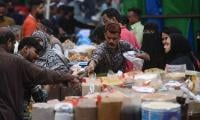
Pakistan finally seems to be taking some serious steps to bring the small retailers into the tax net. For far too long, many salaried individuals have rightly complained about the disproportionate tax burden they bear and about how many wholesalers, traders, buyers and sellers of real estate seem to escape the tax net altogether. Retail has proven particularly difficult to tax because much of the sector in Pakistan remains informal and cash-based, with the segment of small shopkeepers comprising around 3-4 million people. While it is hard to look at the many small shops that cover the country and imagine great wealth being hoarded away within, taken together, these small stores represent a considerable part of the economy. Under the policy, shopkeepers with annual retail sales of Rs200 million ($719,000) or less will be subject to a 1.0 per cent turnover tax. According to the minister of state for finance, a one-page form has been introduced, on which shopkeepers will record their sales. Shopkeepers will be required to deposit a minimum of Rs25,000 in cash. If a shopkeeper’s turnover is higher, the tax will be calculated at 1.0 per cent on that amount. While the scheme is voluntary and shopkeepers may choose to join it or remain in the traditional system, those who neither join this scheme nor file taxes will face increasing monthly penalties.
Previous attempts to bring this segment into the net have floundered and while this latest effort to tax retail has drawn support, many experts are still questioning how effective it will actually be. Experts have said that the scheme’s effectiveness could be limited, arguing that it lacks strong enforcement mechanisms and that the absence of penalties for non-compliance could weaken incentives for traders to register or file returns. However, industry insiders have been more positive, praising the initiative’s simplified filing system, the minimum monthly payment requirement and how it eases shopkeepers’ concerns about joining the formal system, which, some of them argue, has historically treated them as adversaries. However, some have also mentioned that the 1.0 per cent tax rate could be burdensome in an industry where margins can be as low as 2.0-2.5 per cent.
One hopes that the praise for the new initiative’s simplicity and ease is widely shared among shopkeepers and that its benefits are sufficient to bring them in despite its voluntary nature. However, it must be said that broadening the tax net is long overdue, and this goal must be achieved one way or another. The next budget is mere days away and it cannot result in the slabs of the salaried being inched up again. While many have criticised previous retail tax efforts like the Tajir Dost Scheme and this latest scheme undoubtedly has its shortcomings, there is never going to be a perfect policy. At some point, the criticisms of the imperfect begin to feel like enemies of the good and it must be acknowledged that even an imperfect attempt to bring shopkeepers into the net is still good. Pakistan simply cannot continue struggling with revenue collection and rely on having the salaried pay more than exporters, retailers and property buyers and sellers combined as the solution. The outcome of this next budget cannot, once again, be the salaried footing the rest of the country’s bill.