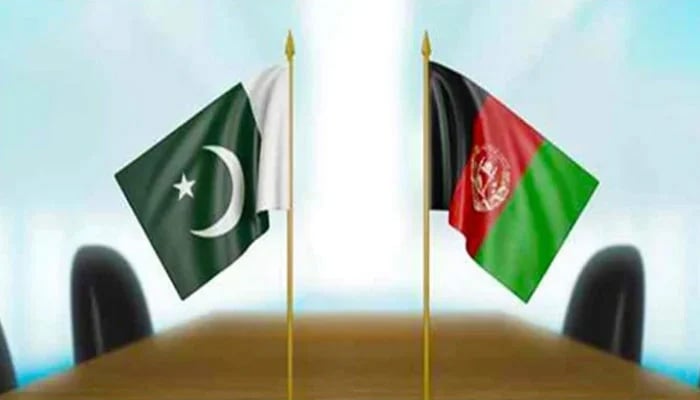
Pakistan’s patience with the Afghan Taliban appears to be wearing thin, recent statements by Defence Minister Khawaja Asif and the Foreign Office leaving little room for ambiguity. Islamabad believes that the Afghan Taliban regime continues to provide sanctuary and support to the TTP, despite repeated assurances to the contrary. The message from Pakistan is clear: if Kabul does not act decisively against these groups, Islamabad reserves the right to defend itself, including through military means. The latest debate was triggered by reports suggesting that Taliban Supreme Leader Hibatullah Akhundzada had instructed the TTP to cease attacks inside Pakistan. While such reports may have generated cautious optimism, Pakistani officials have been quick to point out that there is little evidence of any meaningful change on the ground. Terrorist attacks have not stopped and militant networks continue to operate from Afghan territory. Pakistan’s concerns are neither new nor unreasonable. Since the Taliban’s return to power in Afghanistan in August 2021, Islamabad has repeatedly urged Kabul to prevent its territory from being used for attacks against neighbouring countries. No sovereign state can be expected to tolerate cross-border terrorism indefinitely, particularly when its civilians and security personnel continue to pay the price.
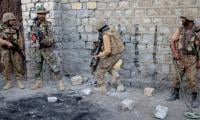
The Foreign Office’s statement that Pakistan remains committed to dialogue while reserving the right to act in self-defence is both balanced and responsible. Diplomacy should always be the preferred path. Pakistan and Afghanistan share deep historical, cultural, religious and economic ties that make cooperation essential. Yet diplomacy cannot become an endless exercise in patience while terrorist groups exploit safe havens and launch attacks with impunity. The launch of Operation Ghazab Lil Haq earlier this year was itself a consequence of failed efforts to reach a satisfactory understanding with the Afghan Taliban. However, despite these successes the TTP and BLA continue to carry out attacks, while Pakistani security forces remain engaged in operations to eliminate militants. Recent intelligence-based operations in Balochistan and Khyber Pakhtunkhwa, resulting in the killing of several terrorists, demonstrate that the fight against militancy remains far from over.
What makes the situation particularly frustrating is the apparent contradiction in the Taliban’s priorities. Afghanistan today faces immense humanitarian and economic challenges. Millions of Afghans struggle with poverty, food insecurity and unemployment. International isolation has crippled economic recovery, while ordinary families bear the burden of a collapsing social safety net. Yet instead of focusing exclusively on rebuilding their war-ravaged country and improving the lives of their citizens, the Taliban continue to face accusations of tolerating or supporting militant groups whose activities further isolate Afghanistan from the world. This is a dangerous miscalculation. The international community has consistently warned that Afghanistan must not once again become a sanctuary for terrorist organisations. Such concerns are not directed solely at Pakistan’s security but at regional and global stability. If Afghanistan is perceived as a safe haven for militants, it will struggle to gain international legitimacy, attract investment or secure the economic partnerships necessary for its recovery. For Pakistan, the issue is straightforward. It seeks peaceful relations with Afghanistan and remains willing to pursue dialogue. However, no state can be expected to stand idle while attacks are planned and launched from across its border. The right of self-defence is recognised under international law – and Islamabad has repeatedly emphasised that military action remains a last resort rather than a preferred option. Ultimately, the choice before the Afghan Taliban is theirs to make. They can continue down a path that prioritises relationships with militant groups and risks further isolation, instability and confrontation. Or they can demonstrate genuine commitment to responsible governance by dismantling terrorist networks operating on Afghan soil and addressing the urgent needs of their own people.