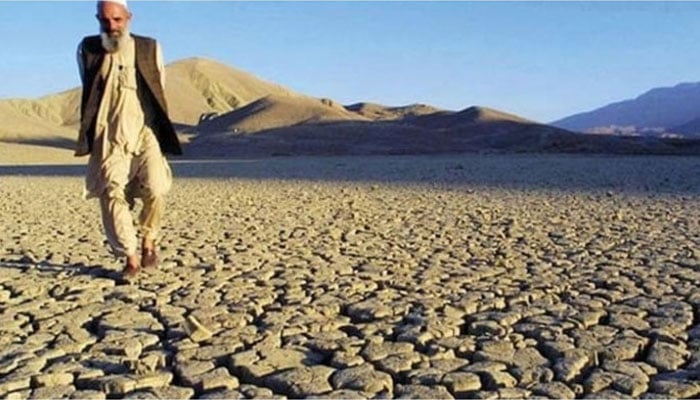
Countries will observe World Environment Day today (June 5) to discuss climate action and sustainability. This year’s theme revolves around ‘global call for climate action’. In recent years, climate change – a term that was once seen by the denialist president of a superpower as nothing more than fiction – has directly contributed to humanitarian emergencies. According to the Intergovernmental Panel on Climate Change (IPCC), modern humans have never before seen the observed changes in our global climate, and some of these changes are irreversible over the next hundreds to thousands of years. Pakistan contributes just 1.0 per cent of global greenhouse emissions annually, but faces some of the highest risks from climate disasters in the world. Climate change is making extreme weather events increasingly common in Pakistan. Floods, droughts and heatwaves that were once considered rare, once-in-a-century occurrences are now happening with alarming frequency. In some parts of the country, temperatures regularly climb to 50 degrees C, creating dangerous and, at times, unliveable conditions. Rising temperatures contribute to heavier monsoon rains, increasing the risk of severe flooding.
In 2022, catastrophic floods displaced around eight million people and directly affected 30 million others. In 2024, following another intense heatwave, flooding forced an additional 1.5 million people from their homes. Climate-related disasters lead to the loss of livelihoods and disrupt children’s education. Many people suffer illness or die prematurely due to flood- and heat-related health impacts. Pakistan has a ministry dedicated to climate change and the country is looking to the developed world for help. That part of the world, unfortunately, has made it clear that it is not interested in distributing hand-outs. As the UN says, the planet doesn’t argue or negotiate. It sends signals – rising seas, wildfires, heatwaves, melting glaciers. Pakistan has to find out how to reduce the impact of climate change.
Curtains made from jute, burlap, hessian cloth, or woven plant fibres (‘taat’) can work quite well in hot, dry conditions. While wet khus/taat curtain won’t perform like an air conditioner, it can make a room feel several degrees cooler and significantly more comfortable. Traditional climate-responsive architecture that promotes natural ventilation through courtyards, high ceilings, shaded spaces and cross-ventilation can help keep buildings cool while reducing energy use. Domestic actions such as reforestation, controlling urban sprawl, improving water conservation, adopting sustainable agricultural practices and transitioning to renewable energy are essential. And as Pakistan leads its fight, developed countries in the Global North must also recognise that without coordinated international cooperation for environmental protection and restoration, individual countries are unlikely to achieve meaningful progress in isolation. These countries must significantly increase their currently insufficient contributions to the Loss and Damage Fund established at COP28. Beyond financial support for recovery, they must also adopt stronger policies to reduce their own emissions and limit further environmental harm.