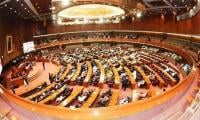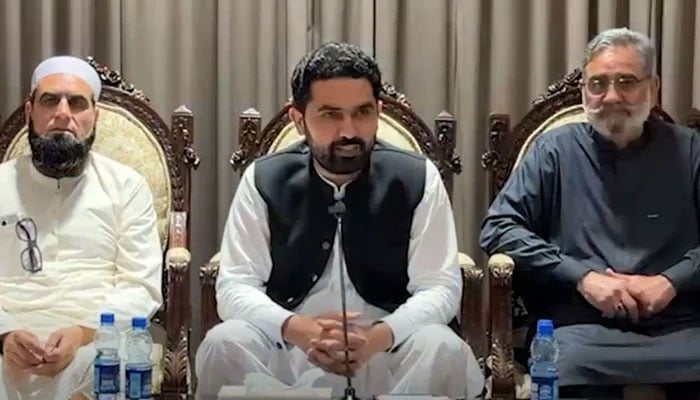
The PTI has long prided itself on being a disciplined political force united behind a singular vision and a singular leader. Yet the growing signs of discord within its Khyber Pakhtunkhwa chapter suggest that the party is struggling to navigate a political reality in which its founding chairman is no longer able to exercise direct control over day-to-day affairs. The absence of more than 25 lawmakers from a recent parliamentary party meeting chaired by KP Chief Minister Sohail Afridi is difficult to dismiss as a matter of scheduling conflicts alone. While some legislators cited foreign travel or other commitments, the number of absentees, coupled with reports of disagreements between Afridi and former chief minister Ali Amin Gandapur, points to deeper fault lines within the province’s ruling party. The grievances appear to range from dissatisfaction over cabinet appointments to competing loyalties among lawmakers who remain aligned with Gandapur. The petition seeking Gandapur’s restoration as chief minister has added another layer of uncertainty. Whether the case possesses genuine legal merit or is primarily intended as a political pressure tactic is up for debate but what is clear is that the controversy has exposed the ambiguity surrounding decision-making within the PTI. For years, the party functioned through highly centralised leadership. In the absence of direct intervention from its founder, competing power centres have emerged, creating confusion over authority and direction.
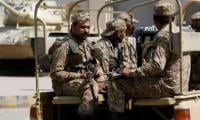
This is not merely an internal party matter. KP is at the forefront of Pakistan’s struggle against terrorism and militancy. Security incidents continue to claim lives, while law-enforcement personnel operate under immense pressure. In such circumstances, political stability and administrative focus are not luxuries but necessities. The provincial government must therefore concentrate on governance rather than factional manoeuvring. Strengthening the morale and capacity of the police force, improving intelligence coordination and ensuring adequate resources for counterterrorism efforts should be among its highest priorities. Equally important is the need for a coherent policy framework regarding militancy and the threat posed by the TTP. Ambiguity on matters of security only undermines public confidence and weakens the state’s response to a persistent threat.
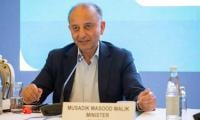
The broader opposition also appears to be struggling with questions of strategy and messaging. At a time when Pakistan faces serious economic, political and security challenges, controversial and divisive rhetoric risks distracting from substantive issues that demand attention – a case in point would be Mahmood Achakzai’s recent provocative remarks about Afghan nationality for Pashtuns. Political parties across the spectrum would do well to recognise that public frustration is increasingly directed at governance failures rather than ideological grandstanding. For the PTI, the developments in KP offer a test of political maturity. Every major party experiences internal disagreements, but successful parties manage them without allowing factional disputes to overshadow governance. The people of Khyber Pakhtunkhwa did not vote for endless power struggles. They voted for security, governance and stability. Someone needs to look at these too.