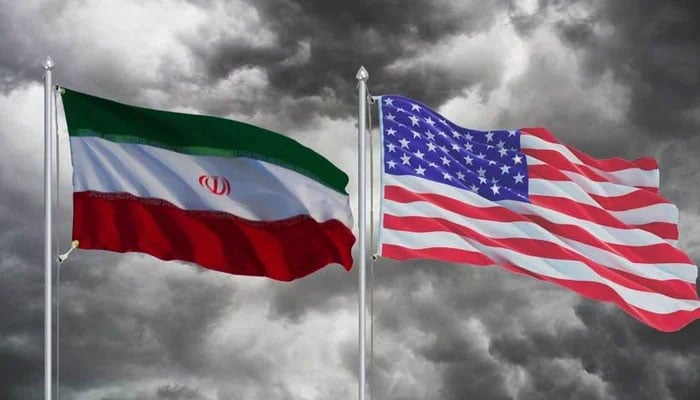
The Middle East remains perilously close to a wider regional war despite months of diplomatic efforts aimed at preventing precisely that outcome. The latest exchange of hostilities has once again demonstrated how fragile the existing ceasefire arrangement truly is. It has now been almost one hundred days since the conflict between Iran and the Israel-US alliance erupted on February 28. The relative calm achieved in recent months was made possible in part by diplomatic initiatives undertaken by regional actors, including Pakistan. Yet diplomacy can only succeed if all sides remain committed to it. Today, the greatest challenge appears to be the absence of clarity regarding the path forward. Iranian officials insist that they have already presented a final draft of a proposed peace agreement through diplomatic channels and that the ball is now in Washington’s court. The US, meanwhile, continues to send mixed signals, US President Donald Trump alternating between expressing interest in a negotiated settlement and threatening military escalation should diplomacy fail. His recent remarks that he faces a choice between a deal and a more forceful option may be intended as leverage, but such statements also reinforce perceptions that Washington has yet to settle on a coherent long-term strategy.
From Tehran’s perspective, the obstacles to peace are equally clear. Iranian leaders have repeatedly pointed to the US naval blockade and Israel’s continued military operations in Lebanon as major impediments to any agreement. Reports of a tense exchange between President Trump and Israeli Prime Minister Benjamin Netanyahu over Israel’s actions in Lebanon generated considerable international attention. According to those reports, Trump expressed frustration with Israel’s continued military escalation. While the White House has since sought to highlight these differences, many observers remain unconvinced that they represent a fundamental policy divergence. Indeed, scepticism is understandable. Public disagreements between allies do not necessarily translate into substantive policy changes. Whatever tensions may exist between Washington and Tel Aviv, the reality on the ground remains largely unchanged. Israeli military operations continue and territorial disputes that have fuelled instability for decades remain unresolved. This perception has contributed significantly to Iran’s distrust of American intentions. Iranian officials and many regional analysts argue that Washington’s approach has often appeared inconsistent, with diplomatic overtures frequently accompanied by military pressure. Such contradictions make it difficult to build the confidence necessary for successful negotiations. At the same time, it would be a mistake to assume that diplomacy has completely collapsed. Despite reports suggesting a breakdown in talks, President Trump recently stated that communication between the US and Iran remains ongoing. As long as channels of communication remain open, opportunities for de-escalation still exist.
A wider war would threaten global economic security. The Strait of Hormuz remains one of the world’s most critical energy corridors. Any prolonged disruption could send shockwaves through international markets, increase energy prices and further destabilise an already uncertain global economy. The humanitarian consequences would be even more severe. All parties must recognise that peace requires consistency. Diplomatic negotiations cannot flourish in an environment where military actions repeatedly undermine political commitments. Nor can lasting agreements emerge when mistrust continues to deepen with every new escalation. The responsibility for preventing a broader catastrophe ultimately rests with the US and Israel. Unless words are matched by credible actions and diplomacy is given precedence over military coercion, the Middle East will remain trapped on the edge of another devastating conflict.