ISLAMABAD: More than 52 per cent of Pakistani adults and nearly 38 per cent of adolescents are believed to be afflicted with fatty liver disease, gastroenterologists and liver experts have warned, describing the condition as one of the country’s fastest growing health crises driven by obesity, unhealthy diets, physical inactivity and metabolic disorders.
Doctors say the disease, now officially termed metabolic dysfunction-associated steatotic liver disease (MASLD) under updated international guidelines, often progresses silently for years without noticeable symptoms but can eventually lead to liver fibrosis, cirrhosis, liver failure and liver cancer if left untreated.
Experts say the burden of fatty liver disease has risen sharply in Pakistan over the past decade, alongside increasing obesity, diabetes, and consumption of processed and fast foods, particularly among urban populations and younger age groups.
“Pakistan is facing a silent epidemic of fatty liver disease and the numbers are becoming extremely concerning,” said gastroenterologist Prof Dr Sajjad Jamil, warning that the disease is no longer limited to overweight individuals, and is increasingly being detected in people with normal body weight due to genetic susceptibility and metabolic abnormalities.
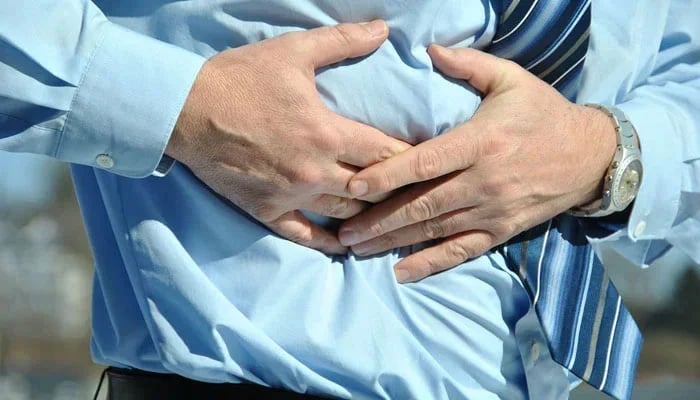
Dr Jamil, who is associated with the Liaquat National Hospital in Karachi, said that many patients remain unaware that they have fatty liver disease because early stages usually produce no symptoms. However, some patients may experience fatigue, abdominal discomfort, weakness, bloating or mildly elevated liver enzymes detected during routine blood tests.
He said people with obesity, diabetes, high cholesterol, hypertension, sedentary lifestyles or excessive abdominal fat are at particularly high risk and should undergo screening through liver function tests and abdominal ultrasound examinations.
Dr Jibran Umar Ayub, a gastroenterologist and liver disease specialist from Peshawar, said ultrasound scans can identify fatty infiltration in the liver, while FibroScan technology is increasingly being used to assess liver stiffness and detect fibrosis before irreversible damage occurs.
“Early diagnosis is extremely important because the disease can often be reversed in its initial stages through lifestyle modification and weight reduction,” stressed Dr Ayub.
According to experts, recent international and regional studies suggest South Asians, including Pakistanis, may be genetically more vulnerable to developing fatty liver disease even at lower body mass index levels compared to Western populations.
Gastroenterologist Prof Dr Nazish Butt of the Jinnah Postgraduate Medical Centre in Karachi said genetic predisposition, combined with rapid lifestyle changes, processed food consumption and declining physical activity, has accelerated the spread of fatty liver disease in Pakistan.
Dr Nazish pointed out that many patients have now been presenting at hospitals with advanced liver scarring despite having remained free of symptoms for years.
Health experts maintain that obesity remains the single largest driver of fatty liver disease in Pakistan, where overweight and obesity rates are rising rapidly among both adults and children.
Endocrinologist Prof AH Aamir said that modern lifestyles involving sugary drinks, high calorie foods, sleep disturbances and prolonged inactivity are contributing to the worsening burden of metabolic diseases, including fatty liver disease.
Prof Aamir said that newer weight loss therapies, including GLP-1 receptor agonist medicines such as Semaglutide, have been showing promising results in reducing liver fat and improving metabolic health when combined with dietary changes and exercise. Experts, however, stressed that lifestyle modification remains the cornerstone of treatment.
Prof Dr Shahid Ahmed of the Darul Sehat Hospital in Karachi recommends at least 150 minutes of moderate physical activity every week, avoidance of sugary beverages and ultra processed foods, gradual weight loss, improved sleep and increased consumption of vegetables, fruits and fibre-rich diets to reverse fatty liver disease in its early stages.
According to Dr Ahmed, even a seven to 10 percent reduction in body weight can significantly improve liver inflammation and reduce progression toward fibrosis and cirrhosis.
He also warned against self-medication and unproven herbal remedies claiming to cleanse the liver, saying that some supplements and traditional products can further damage the liver.
He expressed concern over the lack of nationwide awareness and screening programmes for fatty liver disease despite its rapidly increasing burden. He said that many Pakistanis seek treatment only after developing advanced liver complications, when treatment options become limited and costly.
The growing burden of fatty liver disease and metabolic liver disorders was recently discussed by gastroenterologists and hepatologists during scientific sessions at the annual conference of the Pakistan GI & Liver Disease Society, where experts called for urgent public awareness campaigns, lifestyle interventions and early screening strategies to prevent a future surge in chronic liver disease cases across the country.