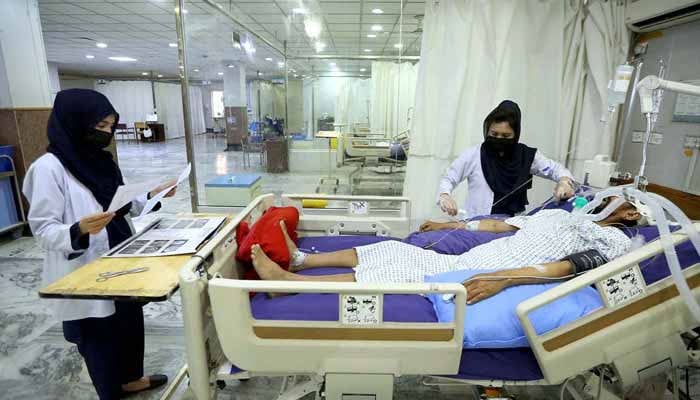
LAHORE:Patients suffering from multiple sclerosis (MS) in the country are facing growing financial and healthcare challenges as treatment costs remain beyond their reach, while uncertainty persists over government support.
Multiple sclerosis, an autoimmune disease affecting the nervous system, can lead to severe disability, impaired mobility and reduced quality of life. The disease affects people between the ages of 20 and 40, with women accounting for nearly 60 per cent of cases worldwide.
Although Pakistan lacks comprehensive national data, experts estimate that around 12,000 to 14,000 people in the country have been diagnosed with MS, many of whom require continuous treatment. Doctors say increased awareness and improved diagnosis in urban centres contributed to a rise in reported cases in recent years. Modern disease-modifying therapies (DMTs) have improved outcomes for MS patients by slowing disease progression, reducing relapses and helping patients maintain independence.
“Timely diagnosis and uninterrupted treatment are critical to preventing irreversible neurological damage,” said DrMaqsood of Lahore General Hospital.Healthcare experts, however, say Pakistan’s public health sector continues to face serious challenges, including limited resources, lack of specialist care and low public awareness about the disease. Delayed diagnosis and misinterpretation of symptoms often result in patients starting treatment only after permanent damage has occurred.
The high cost of treatment remains a major concern. Annual expenses for MS therapies can reach nearly Rs1 million, making long-term treatment unaffordable for many families.Many patients rely on Sehat Card programme, which provides health insurance coverage of up to Rs400,000 annually.
“The amount falls far short of actual treatment costs, forcing many patients either to seek alternative funding or discontinue treatment,” said Sagheer Ahmad, whose wife is undergoing treatment for the disease.
Medical professionals warned that interruptions in therapy could lead to rapid disease progression, repeated relapses and permanent disability, ultimately increasing the burden on the healthcare and social welfare systems. Healthcare advocates said uninterrupted treatment would help many patients remain active, employed and independent while reducing future costs linked to disability care.
Medical experts and patient support groups have urged the government to introduce a sustainable funding mechanism to ensure affordable and continuous treatment for MS patients, warning that failure to address the issue could leave thousands vulnerable to preventable disability.