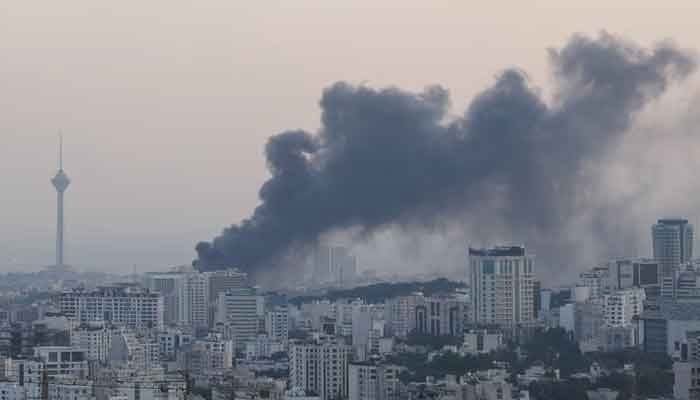
Aftermaths of wars are not confined to the battlefield. They have far-reaching socioeconomic consequences for the region and sometimes for the world. The recent escalation in the Middle East has been significant due to its severe impact on the world economy, particularly on countries that are heavily dependent on imported oil.
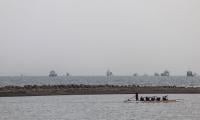
The war has cost hundreds of lives and billions of dollars to the warring rivals as well as the global economy. Within days of the US-Israel attack, the Strait of Hormuz was effectively blockaded by Iranian forces. Subsequently, crude and Brent oil prices surged enormously. During the crisis, oil prices have remained highly volatile, ranging from $85 to $120 per barrel over a short time span.
There are swift and severe consequences of disruptions on global energy markets, as the war has already distorted the global oil market and worsened economies worldwide. Oil prices subsequently increased by over 25 per cent to 29 per cent and hit their highest level since mid-2022. Unlike the prior oil shocks of 1973, 1979, 1990, 2008 and 2022, this crisis has a structural component, as the Middle East is not only a significant fuel hub and an important trade route but also a geopolitical fulcrum in the global economy.
The escalation has caused long-lasting economic havoc, pushing prices well above current levels, amid sluggish post-war recoveries and a worldwide recession.
The implications of escalation are more severe for small open economies and net-importing/consumer countries. In the case of Pakistan, the effects are not incidental but structural. The country’s economy is highly integrated with the Gulf region. The country’s external sector is largely driven by workers’ remittances, bilateral trade and energy imports from regional counterparts, the US and Europe.
Notably, remittances from Saudi Arabia, the UAE, Qatar and Kuwait constitute one of Pakistan’s largest sources of foreign exchange, consistently outpacing export revenues in recent years, thereby improving the current account balance. A recession in the Gulf region, triggered by war, directly threatens millions of Pakistani families whose earnings depend on foreign sources.
The domestic transmission of the oil shock and fuel price pass-through was quite evident. Petrol rose from Rs266.17 to Rs321.17 per litre in the first week of March, with diesel at Rs335.86, while prices increased by roughly 20 per cent within days. After that, on April 3, petrol prices surged by 42.7 per cent (an increase of Rs137.24) from Rs321.17 to Rs458.41 per litre, while on the very next day, they were reduced by Rs80. High-speed diesel (HSD) surged by 54.9 per cent (an increase of Rs184.49) from Rs335.86 to R 520.35 per litre.
This is an economy-wide pressure leading to higher transportation costs, inflated food prices, costly energy, squeezed sales margins and a rising import bill financed in dollars, putting pressure on the rupee and adding further momentum to cost-push inflation. This causes economic uncertainty, market volatility, economic slowdown and fragile stability. Notably, fuel price pass-through and supply chain disruptions would lead to a sluggish economic recovery and stagflation, which are no longer hypothetical.
This crisis reminds us that in an interconnected global economy, the consequences of war are beyond particular geographical proximity. In this regard, Pakistan cannot afford a passive response to this immense shock. Countries that actively respond to supply shocks and cost-push inflation can avoid the time-inconsistency problem and effectively address stagflation.
Pakistan’s austerity measures, energy rationing and demand management are only initial measures. Tight policy options can be effective for stabilising the economy in the short run, in a firefighting situation. Rather than relying solely on massive regulations and contractionary measures, additional supply-side interventions and necessary economic reforms are required to sustain the economy in the long run. Accordingly, peace is the ideal condition for prosperity and sustainable inclusive development.
Pakistan has been continuously playing a mediation role between the US and Iran for a ceasefire and peace in the region. The arrangement of a conversation between the US and Iran in Islamabad was a remarkable step initiated by Pakistan.
Pakistan should take this opportunity to translate the strategic and geopolitical advantage into economic dividends by strengthening economic ties through targeted trade creation and investment promotion, especially in aerospace and defence, agriculture, mining and the blue economy, with regional counterparts in the East, South and Central Asia.
The writer is a director of the Centre of Aerospace and Security Studies (CASS) Lahore. He can be reached at: [email protected]