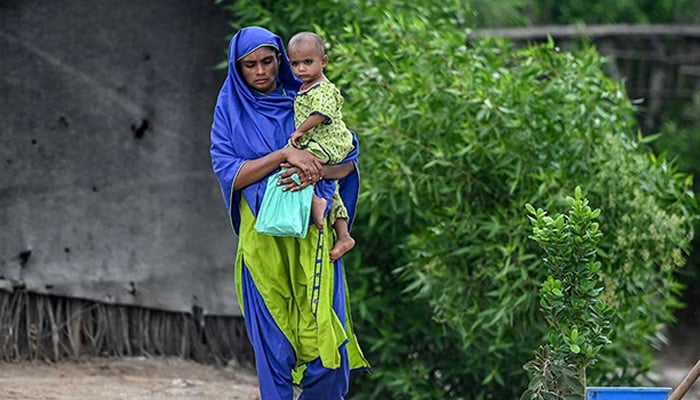
LAHORE : South Asian women continue to face alarming levels of malnutrition, but women in Pakistan remain among the most vulnerable, particularly those belonging to low-income households where chronic nutritional deficiencies are widespread.
According to a UNICEF report, one in five women in Pakistan is underweight, while nearly half suffer from anemia. The National Nutrition Survey further highlights the scale of the crisis, stating that more than half of children under the age of five are affected by anemia or deficiencies of essential nutrients, including zinc, vitamin A and vitamin D. The survey adds that 40.2 per cent of children are stunted, 17.7 per cent suffer from wasting and 28.9 per cent are underweight.
Health experts link these conditions directly to maternal malnutrition. The survey notes that malnourished women are more likely to give birth to premature or low birth weight babies, while the risks of stillbirth and infant mortality during the first month of life also increase significantly.
The broader impact of malnutrition extends beyond public health. According to the World Bank, improved nutrition enhances productivity, supports economic growth and helps reduce poverty, whereas persistent malnutrition imposes severe long-term social and economic costs.
Medical experts stress that addressing maternal malnutrition is critical for Pakistan’s public health and future human development. “Pregnant and breastfeeding women require additional calories, vitamins and minerals. Proper nutrition is essential for the health of both mother and child,” said Dr Nadia Nawaz, consultant gynecologist and infertility specialist.
However, experts point out that a majority of Pakistani women lack access to diverse and nutritious diets due to poverty, rising food costs and limited availability of healthy food options.
To address these gaps, the World Health Organisation, in its 2020 guidelines, recommends the use of multiple micronutrient supplements (MMS) containing 15 essential vitamins and minerals for pregnant women as part of routine antenatal care.
According to health specialists, MMS can help reduce nutritional deficiencies, lower the risk of birth defects and improve child growth and development outcomes. They emphasise that such supplements should be treated as a frontline public health intervention.
Experts have urged the government and health authorities to integrate MMS into routine maternal healthcare, ensure affordability for low-income families and encourage local production through regulatory support and tax relief measures.
While improved food security and access to balanced diets remain the long-term solution, experts warn that immediate action is necessary to curb the growing burden of maternal and child malnutrition and to prevent its lasting generational consequences.