ISLAMABAD: Around two million Pakistanis aged 35 years and above have never married, with urban areas emerging as the centre of delayed marriage trends in the country, according to a new analysis of Pakistan Population Census 2023 data released by the Gallup Pakistan.
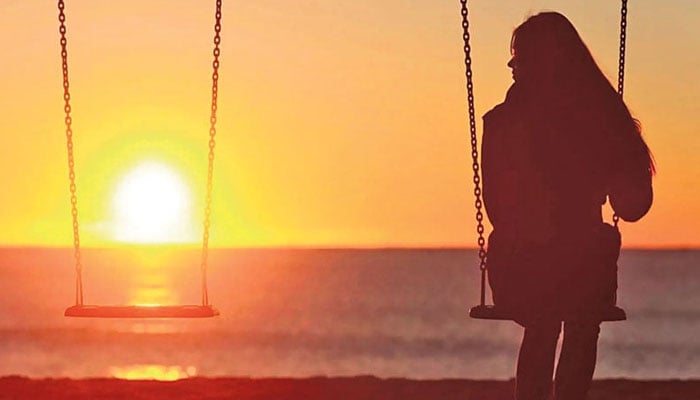
The analysis by the Gallup Pakistan Digital Analytics found that approximately 3.14 per cent of Pakistan’s population aged 35 years and above had never married, pointing to gradual but significant demographic and social changes taking place across the country. The findings suggest that delayed marriage is becoming increasingly common in urban Pakistan, where rising education levels, economic pressures, changing lifestyles and shifting social expectations appear to be influencing traditional marriage patterns.
According to the analysis, urban populations in all provinces consistently recorded substantially higher shares of never-married adults aged 35 years and above compared to rural populations.
Urban Sindh recorded the highest proportion of never-married adults, where 5.09 per cent of people aged 35 and above never married compared to 2.50 per cent in rural Sindh. In Islamabad, the share stood at 3.50 per cent in urban areas against 2.85 per cent in rural regions.
In Khyber Pakhtunkhwa, urban areas recorded 3.86 per cent compared to 2.69 per cent in rural areas, while in Punjab, the proportion was 3.22 per cent in urban areas against 2.63 per cent in rural regions. Balochistan also showed a significant urban-rural gap, with 4.02 per cent in urban areas compared to 2.36 per cent in rural populations.
The analysis noted that the concentration of never-married adults in major cities may reflect stronger shifts in lifestyle patterns, educational trajectories, urban migration and economic stability compared to rural areas.
The gender-wise breakdown revealed that men significantly outnumber women among never-married adults across nearly all age groups, particularly between 35 and 49 years of age. However, the trend declines steadily after the age of 50, indicating that while most Pakistanis eventually marry, an increasing segment is marrying later than previous generations.
Demographic experts believe the trend reflects broader structural transformations taking place in Pakistani society, including expanding access to higher education, delayed financial independence, changing career priorities and evolving social attitudes towards marriage. The analysis further suggested that delayed marriage patterns could increasingly influence family structures, urban lifestyles and digital markets in Pakistan, particularly as matrimonial culture shifts towards online and digital platforms.
According to the findings, Pakistan now appears to have a sizeable urban, digitally connected and later-marrying population segment that may remain underserved by existing matrimonial services and social platforms.
The report concluded that although marriage remains nearly universal in Pakistan overall, demographic timelines are gradually evolving under the combined influence of urbanization, socio-economic transition and changing social norms. The analysis was based on demographic and marital status indicators from the Pakistan Population Census 2023.