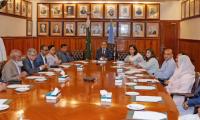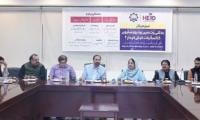
LAHORE : On the second and concluding day of a landmark national consultation on proposed reforms to Christian Personal Laws, discussions continued on strengthening legal and policy pathways for reform.
This consultation was convened by a coalition of seven human rights and development organisations in collaboration with the National Commission on the Status of Women (NCSW) and minority rights activists. The convening coalition included the National Lobbying Delegation (NLD), Society for Human Equality and Empowerment, Baithak, Community World Service Asia (CWSA), Peace and Development Foundation (PDF), District Development Association Tharparkar (DDAT), and Be The Change.
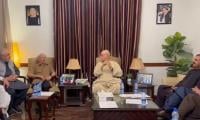
The second day of the proceedings commenced with a panel discussion highlighting the role of government commissions, institutions, and committees in strengthening advocacy efforts for reforms in Christian Personal Laws.
‘These discussions must begin from a human rights perspective. All religions stand against violence towards women, and I reiterate my zero tolerance for such violence. We must work collectively to promote religious tolerance and justice,” said Noreen BanoLehri, Chairperson, NCSW during the conversation.
DrShoaibSuddle, One-Man Commission for Minority Rights, reflected, ‘Why does this issue remain controversial despite years of deliberation? It is not merely a technical or legal matter, but one that strikes at the core of basic human rights. We need timely dialogue and practical policy reforms that guarantee equal opportunities for minorities.”
Farah Zia, Director of the Human Rights Commission of Pakistan (HRCP), underscored the urgency of dedicated legislation, stressing that human rights advocacy must drive this agenda forward.
RahilaKhadim, MPA, emphasised that governments must legislate in the public interest, even in the face of societal or religious
opposition.