ABBOTTABAD: Pakistan is witnessing a growing debate over the unchecked expansion of social media platforms and independent digital content creators, as concerns mount over fake news, online hate campaigns, political polarization, and the lack of an effective regulatory framework for digital media.
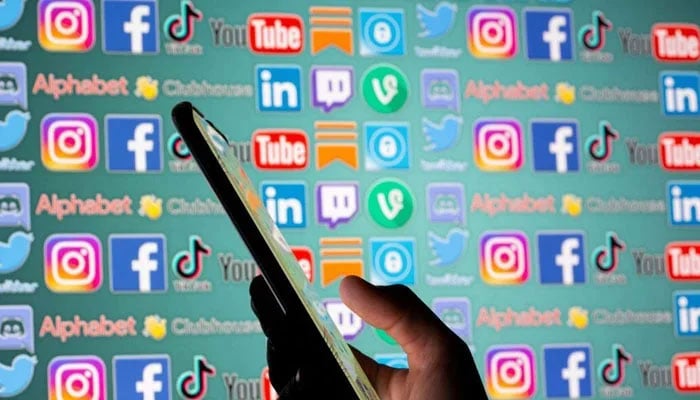
Over the past decade, platforms such as YouTube, Facebook, TikTok, X, and Instagram have become primary sources of news and political commentary for millions of Pakistanis.While this digital boom has expanded freedom of expression and created opportunities for citizen journalism, critics argue that the absence of clear rules has enabled misinformation, character assassination, and irresponsible reporting.
Digital commentators, self-styled analysts, and YouTubers with massive online followings now shape public opinion in ways that often rival traditional television networks.However, unlike conventional media organizations, many online content creators operate without editorial oversight, professional training, or legal accountability.
The issue has gained renewed attention following repeated incidents of viral misinformation linked to political unrest, security matters, and public controversies.Media analysts warn that sensational and unverified online content is increasingly influencing public discourse and damaging institutional credibility.
“Social media in Pakistan has evolved faster than the country’s regulatory and ethical mechanisms,” said Obaid-ur-Rehman Abbassi, an Islamabad-based journalist and researcher.“Digital platforms have democratized information, which is positive, but they have also enabled misinformation networks that can manipulate public opinion within hours,” he added.
According to Abbassi, Pakistan urgently requires a balanced digital media framework that ensures accountability without restricting legitimate criticism or freedom of expression.Several countries, including the United Kingdom, Germany, Singapore, and the United Arab Emirates, have introduced laws or codes of conduct for digital broadcasters and online influencers aimed at curbing misinformation and harmful content.
In Pakistan, some policymakers and media experts are now advocating similar measures, particularly for YouTube channels and digital outlets involved in political commentary, current affairs, and news reporting.
Proposed measures include mandatory registration, adherence to journalistic ethics, public complaint mechanisms, and penalties for the deliberate dissemination of fake news.However, the debate remains highly sensitive in a country where concerns about press freedom and political censorship have long existed.
“Any attempt to regulate digital media must be transparent and independent,” said TV anchor Malik Aurangzeb, commonly known as Kashif Malik.“There is a legitimate need to counter misinformation, but regulation should not become a tool to silence dissenting voices or independent journalism,” he added.
He further said that improving digital literacy among citizens is equally important, as many social media users struggle to distinguish between verified reporting and manipulated online narratives.
Similarly, media consultant and content writer Safdar Hussain noted that Pakistan’s traditional media sector is already regulated through the Pakistan Electronic Media Regulatory Authority or PEMRA. However, digital platforms and independent online broadcasters remain largely outside formal oversight mechanisms.
He believes that as internet penetration and smartphone usage continue to rise across Pakistan, the influence of digital media will grow further, making the question of regulation increasingly unavoidable.
Experts argue that Pakistan is balancing two competing realities: the need to preserve freedom of expression in a democratic society and the growing demand for accountability in an increasingly influential digital space.