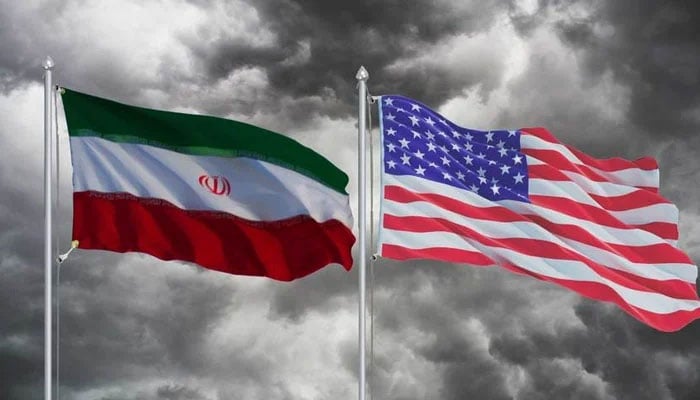
While Tehran reviews a 14-point American proposal to formally end the conflict, and Pakistani mediators continue their diplomatic engagement, the situation remains suspended between war and peace – a ‘fog of peace’ perhaps? The US proposal reportedly demands that Iran suspend its nuclear programme and reopen the Strait of Hormuz. At the same time, US President Donald Trump has adopted his familiar mixture of threats and theatrics. Even while expressing optimism about a deal, he warned Iran that failure to comply would result in bombing “at a much higher level and intensity”. Such contradictory messaging has become characteristic of Washington’s approach: diplomacy accompanied by open coercion. Pakistan’s role in the current phase is notable. Prime Minister Shehbaz Sharif publicly thanked Trump after a temporary pause in Project Freedom. Reports in American media suggesting that Saudi Arabia withdrew permission for the use of its bases and airspace underline another reality often ignored in Western narratives: regional states are deeply wary of another catastrophic war in the Gulf. The economic consequences alone would be devastating for an already fragile global economy struggling with inflation, energy insecurity and geopolitical instability.
What is equally evident is the absence of enthusiasm for prolonged war among significant sections of the American establishment. Many analysts believe Washington’s objectives have repeatedly shifted because the military campaign failed to achieve decisive results. Initial claims about ‘neutralising threats’ gradually evolved into vague rhetoric about deterrence, leverage and strategic signalling. This constant movement of goalposts weakens credibility and reinforces the perception that the conflict was launched without a coherent long-term vision. Meanwhile, Israel continues to cast a long shadow over the entire process. Its ongoing attacks in Lebanon threaten to derail any broader diplomatic settlement. A ceasefire in Lebanon had earlier been considered an important condition for successful Iran-US negotiations, only for Washington to retreat from that understanding under Israeli pressure. The result is predictable: deepening mistrust and fragile negotiations. There is also growing concern that Israel, unhappy about being sidelined in discussions with Iran, may attempt to sabotage diplomacy altogether. Speculation about possible provocations or false-flag operations also shows the lack of confidence in the sincerity of regional actors. The fact that the US reportedly warned Israel against launching fresh attacks on Iran further illustrates the dangerous tensions within this unsavoury alliance itself.
Iran, for its part, has maintained relatively consistent positions. Tehran insists that any agreement must include credible international guarantees against renewed aggression. Given the recent history of broken commitments and unilateral withdrawals from agreements, such demands are hardly unreasonable. No sovereign state can be expected to dismantle strategic leverage while facing the constant threat of military action. Meanwhile, there are also speculations that for now, there may be a temporary MoU of sorts instead of a comprehensive agreement. Ultimately, the world does not need another prolonged Middle Eastern conflict whose consequences would extend far beyond the region. Energy markets, shipping routes, food prices and already strained economies would all suffer. Ordinary people around the world are still dealing with the aftershocks of past wars and crises. If Washington is serious about avoiding disaster, it must move beyond the ‘fog of peace’.