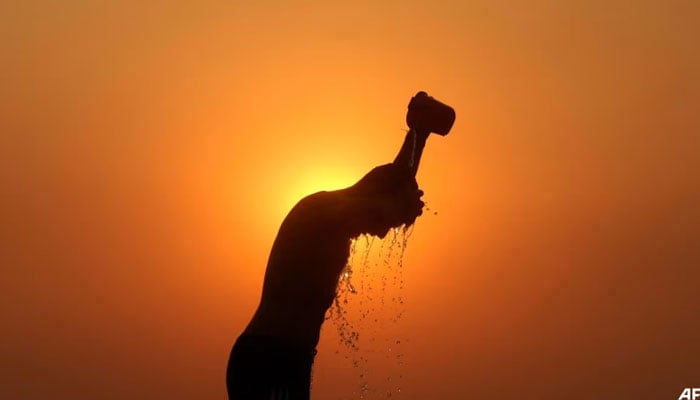
Summer has barely begun, but that has not stopped a deadly heatwave from descending on Karachi. The business capital experienced its hottest day of the year on Monday, with temperatures rising to slightly over 44C. This is nearly eight degrees above normal, with weather officials saying that the intense heat in Karachi is linked to the dominance of dry continental winds and the weakening of the usual sea breeze during daytime hours, depriving Karachi of its usual protection from extreme inland heat. The hot weather coincided with at least 10 deaths across the city, with several deaths suspected to be caused by heatstroke and drug overdose, according to rescue sources. Medical experts have recommended that residents limit outdoor activity, especially during peak daytime hours, avoid direct exposure to the sun between 11am and 3pm and stay well-hydrated. And it is not just Karachi that is feeling the heat. Several other parts of Sindh have been facing extreme temperatures in recent days as per the Pakistan Meteorological Department and the provincial authorities called for the establishment of heatwave relief camps in the affected areas last week. The NDMA has also issued emergency protocols and put hospitals on alert, anticipating elevated temperatures across the country in the coming months.
While Pakistan is no stranger to extreme heat, the phenomenon has accelerated in recent years, with a particularly bad heatwave reportedly claiming over 500 lives in just six days back in 2024. Sadly, staying inside and avoiding heat exposure is not an option for many Pakistanis, particularly the poorer ones. Labourers, street vendors and several others have no choice but to expose themselves to the extreme heat in order to make ends meet. The heat also brings other challenges, such as an elevated risk of glacial melt, flash floods and cloudbursts. The Pakistan Meteorological Department has already forecast above-normal rainfall in many parts of the country during the current month. It is quite possible that the nation will be dealing with both extreme heat and floods this summer. While relief camps and heatstroke treatment centres are welcome, they will not solve climate change and it is unclear how a poor country like Pakistan, which contributes less than one per cent of global emissions, can deal with such a confluence of extreme weather without sustaining heavy damage.
The ongoing energy crisis sparked by the Middle East war also adds a concerning element to this summer’s weather challenges. While the government last week claimed that normal electricity supply had been restored following the arrival of the country’s first LNG cargo in nearly two months, global energy supplies remain strained and elevated prices and bills might see Pakistanis cutting back on their power consumption even without excess loadshedding. That being said, maybe the unfolding global energy shock will finally get the rich countries to become serious about ditching fossil fuels, which is likely the only thing that can save Pakistan from summers of disasters over the long run. However, this summer is all ours to deal with and the appropriate preventative measures have to be taken. Help has to reach the most vulnerable segments of society who are the most exposed to natural calamities. We cannot have a repeat of what happened in 2024 or in 2022 and 2025 with the floods.