Islamabad:National Disaster Management Authority (NDMA) conducted media appraisal on anticipated disasters 2026 at the National Emergencies Operation Center (NEOC), NDMA Headquarters On Monday.
The session was aimed at providing a comprehensive overview of Pakistan’s disaster preparedness, risk assessment mechanisms and the role of media in effective disaster risk communication, says a press release.
NDMA Chairman Lt General Inam Haider Malik delivered welcome remarks, emphasising the importance of proactive preparedness, technological integration and coordinated national response in the face of evolving climate-induced risks. He also apprised the participants on Hazard Outlook 2026 and scientific assessments of anticipated risks across the country.
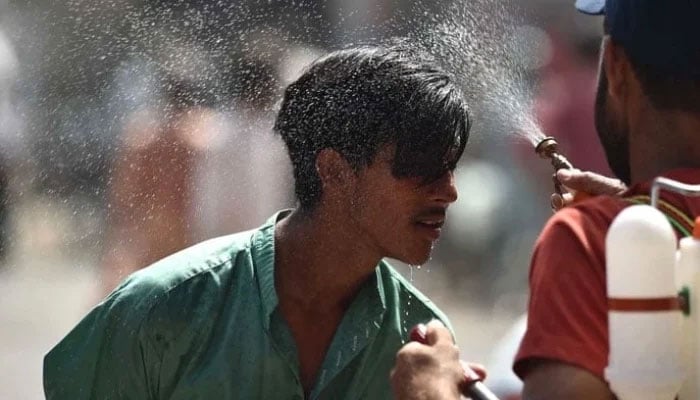
According to Hazards Outlook of next three months, Pakistan will experience active western disturbances and rising temperatures, this confluence is likely to accelerate glacial melt and heighten the risk of flash floods and cloudbursts. Average temperatures in central and southern Punjab and upper Sindh are projected to rise by 2 to 3 degrees Celsius during May and June, which will trigger intense heatwave. The sustained rise in temperature is also expected to elevate the risk of forest fires across the country.
Participants were given a detailed overview of NEOC’s operational portals and real-time monitoring systems. This was followed by presentations on “Pakistan Disaster Lens 2026,” focusing on validation of Disaster Early Warning and annual projections for hazard outlook 2026.
The session also included a briefing on the Global Disaster Early Warning Application and national version Pak NDMA Disaster Alert application aimed at strengthening early warning dissemination and public awareness.
During brief, NDMA’s national preparedness and response framework, including contingency planning, simulation exercises, inter-agency coordination and resource deployment strategies, was also elaborated.