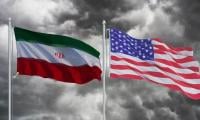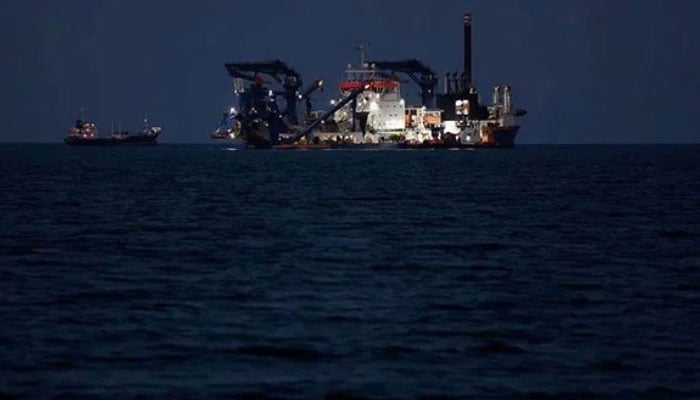
The US-Iran has proved to be a nuisance for the world, driven largely by the closure of the Strait of Hormuz through which roughly 20 per cent of global oil trade passes and the surge in Brent crude prices, which soared past $130 per barrel.
Along with the rest of the world, Pakistan has also felt the burden of this war. Over the past few months, the country has been subjected to sharp fluctuations in petrol and LPG prices. Pre-war petrol prices in Pakistan stood at around Rs263–266 per litre. On March 7, the price was hiked by roughly 21 per cent in a single revision, the largest one-day increase in Pakistan’s history. April 3 saw another significant rise of about 43 per cent, taking petrol to an all-time high (with diesel climbing in step). Later, in light of progress in the US–Iran talks, petrol prices were reduced by around 17 per cent. They were then cut by a further 3.0 per cent, on the back of the Pakistan-brokered US–Iran ceasefire and softening crude prices.
That relief proved short-lived: on April 25, Ogra raised petrol again by roughly 7.0 per cent (with diesel up by a similar margin), with Petroleum Minister Ali Pervaiz Malik attributing the hike to renewed global oil pressure as the ceasefire frayed, vessel seizures near the Strait of Hormuz resumed and shipping risk premiums climbed. LPG prices followed a similar trajectory, jumping 35 per cent in a single month on the war-driven supply shock.
These numbers have a far-reaching effect on the lives of Pakistanis. Headline CPI inflation jumped from 5.8 per cent YoY in January 2026 to 7.1 per cent in February and 7.3 per cent in March, the highest reading since August 2024 and a near-doubling of the rate in just two months. Transport-cost inflation in the official CPI series proved to be the single biggest driver of that rise, jumping to 12.5 per cent in March from low single digits at the start of the year, as fuel adjustments fed directly into fares, freight and ride-hailing tariffs within days of each OGRA revision.
These fluctuating prices have also impacted the core inflation, which rose to 7.4 per cent in March – suggesting that shock was no longer confined to the pump but had begun seeping into rents, school fees and services. Housing, water, electricity and gas inflation rose to 9.1 per cent, while restaurant and hotel prices climbed 8.8 per cent as input costs were passed on to consumers.
The shorter-term Sensitive Price Indicator (SPI), which tracks 51 essential commodities weekly, paints a sharper picture: it hit 13.98 per cent YoY in late April 2026, with the basket dragged up almost entirely by energy and food. On average, wheat flour prices rose by roughly 29-36 per cent, tomatoes by 23–69 per cent (depending on the week), onions by 33–43 per cent, mutton by about 15 per cent and beef by 13 per cent. This is because every rupee added at the pump or to a cylinder feeds into trucking, bakery and wholesale margins, which then translates into higher prices for the staples on which poorer households spend most of their income.
The uncertainty and rising prices, therefore, impacted far more than just the transportation sector; they reset expectations across the economy, with wholesalers front-loading orders, retailers re-pricing weekly, and households compressing discretionary spending to absorb the hit.
In addition to compounding the price shock, the federal government also rolled out a nationwide ‘smart lockdown’ as part of its broader austerity drive. Markets, shopping malls and commercial centres across all four provinces were ordered to shut by 8pm; The intent was to compress demand for fuel and electricity, but the bill was paid by small traders, restaurateurs and daily-wage workers who lost evening footfall, historically the busiest part of the retail day in Pakistan, and by suppliers whose stock turnover slowed sharply. Chambers of commerce from Karachi to Peshawar warned that the curtailed hours were stripping billions of rupees from the formal retail economy each week and pushing already-stressed micro-enterprises closer to closure.
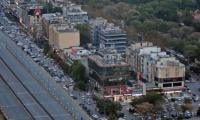
At the same time, even a partial shutdown of the twin cities affects the businesses and livelihoods of many people who depend on day-to-day earnings. The Islamabad Ch amber of Commerce and Industry (ICCI) has put the cumulative loss to the twin cities over the two weeks of cordons and partial shutdowns in the "billions of rupees”.
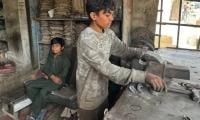
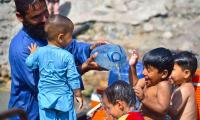
Hence, in a country where 24.4 per cent of households are food-insecure, and around 44.7 per cent of the population lives below the poverty line, with 16.5 per cent experiencing extreme poverty, eating healthy is not a concern, but affording a meal at all is. The preservation of peace is therefore of utmost importance not only for Iran, but for the world, and especially for developing countries like Pakistan, whose citizens are already struggling with their harsh lived realities.
Pakistan, therefore, faces a dual responsibility: to keep its hard-won seat at the negotiating table and to shield its own people from the cost of occupying it. Mediation is a strategic asset; it has improved Pakistan’s standing on the global stage in a way few diplomatic moments have, but it cannot come at the price of two-week shutdowns that disrupt small traders, stall goods transport and push staples further out of reach for households already skipping meals.
If Islamabad is to mediate in the peace talks, the security architecture must be tighter in scope and shorter in duration; relief measures for affected traders, transporters and daily-wage workers should be announced alongside the talks, not after them; and the government must continue to absorb, where it credibly can, the fuel-price shocks that ripple straight from the Strait of Hormuz to the Pakistani kitchen. Peace abroad and livelihoods at home are not competing goals, but without deliberate effort, they will be traded against each other, and it is ordinary Pakistanis who will pay the difference.
The writer works at the Sustainable Development Policy Institute in Islamabad. She can be reached at: [email protected] The views shared are her own and do not necessarily represent the organisation’s official position.