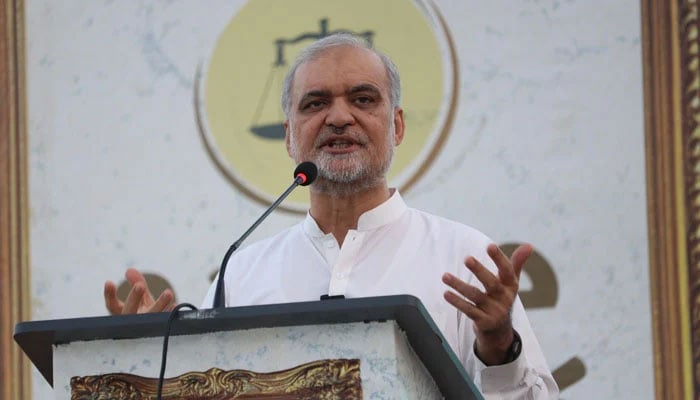
LAHORE: Jamaat-e-Islami Pakistan Emir Hafiz Naeemur Rehman on Sunday said successive governments had failed to provide citizens with basic rights since the creation of Pakistan, stressing that education, healthcare, peace and justice remained the state’s fundamental responsibilities.
Addressing a Bano Qabil graduation ceremony in Sargodha, organised by the Alkhidmat Foundation, he said over 70 to 80 lakh youths in the country were trapped in drug addiction, while the Punjab government was selling schools instead of sending children to them.
More than 1,000 students who completed their courses attended the ceremony, along with local JI leaders including District Emir Owais Qasim. Naeem congratulated the graduates and termed the Bano Qabil programme a “game changer”. He said over 1.4 million students had so far registered under the programme, around 40 per cent of them girls, calling it proof that youths could be empowered with the right intent and policies.
Questioning the state’s performance, he asked why it could not fulfil its duty when organisations like Alkhidmat were providing educational opportunities. He added that education was becoming increasingly expensive even in the public sector, describing the system as class-based and exploitative. In Sargodha, he noted, only 20 per cent of people had completed matriculation, while around 100,000 children aged five to 15 were out of school.
The JI chief said that more than 10 million children were out of school in Punjab, adding that schools and basic health centres were being sold and that there was no comprehensive strategy to promote IT education. He argued that equipping youths with IT skills could help repay the country’s entire debt, but rulers were prioritising self-promotion over governance. Farmers, labourers and salaried individuals in Punjab, he said, were all struggling, while development claims did not match ground realities.
He said governments had failed to ensure equal access to education, justice and security for rich and poor people alike. Ordinary citizens were burdened with petroleum levy and other taxes, while electricity bills had surpassed house rents. He maintained that the country’s debt could be eliminated with sound policymaking, but the current rulers were focused on cosmetic measures rather than addressing core issues.
Calling for systemic reform, he said a meaningful change was impossible under the existing structure. He urged the youths to join the struggle, promising that the JI would equip them with education and skills to help steer the country in the right direction.