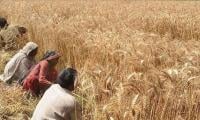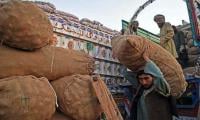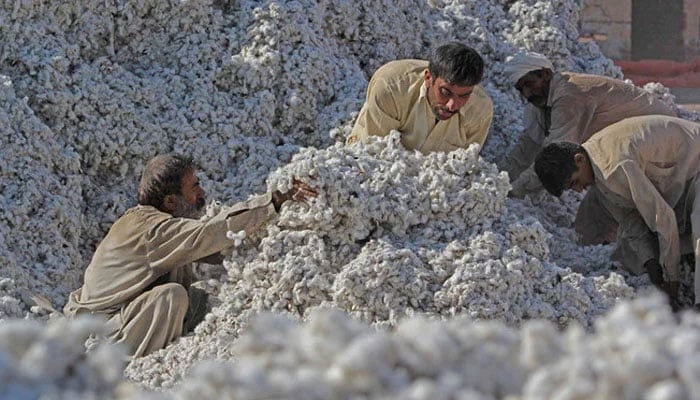
MULTAN: Cotton stakeholders have expressed serious concern over the continuous decline in Phutti productivity in Pakistan, warning that falling per-acre yields are pushing the sector into a vulnerable position.
According to statistics, cotton production has witnessed a severe long-term decline, from a peak of over 14-15 million bales to around 5 million bales in the 2024-25 and 2025-26 seasons, marking a nearly 40-year low.
The drop has forced the country to shift from a net exporter to a major importer to sustain its textile industry. Officials from the Punjab Agriculture Department and agricultural scientists attribute the decline to adverse climatic conditions, pest attacks, and the unavailability of certified Phutti seeds.
Ginners, however, cite additional factors, including the expansion of sugar mills in traditionally cotton-growing areas of South Punjab. They noted that districts like Rahimyar Khan have significantly shifted from cotton to sugarcane cultivation.
Although a ban exists on establishing sugar mills in cotton belts and bylaws have been introduced to discourage such practices, stakeholders allege that politically influential millers have violated these regulations.
The Pakistan Cotton Ginners Association (PCGA) and the All Pakistan Oil Mills Association (APOMA) jointly discussed measures to revive the cotton sector and improve cooperation between related industries. PCGA Chairman Sham Lal Manglani stated that flawed government policies have contributed to the decline in cotton production, from 15 million bales to just 5 million, and reduced the number of ginning factories from 1,200 to 600. He said the association is striving to abolish taxes on cotton, cottonseed, sorghum, and edible oil.
APOMA Chairman Khawaja Muhammad Fazil also urged continued efforts to remove sales tax on cottonseed and reduce heavy taxation on the ginning sector.
Participants highlighted that excessive taxes have severely affected both ginning and oil industries. They agreed on a joint action plan, including ensuring documented trade through invoices, paying due taxes, shutting down unregistered oil mills, and activating dispute resolution tribunals.
Agricultural experts describe the decline in cotton production, particularly in Punjab, as a multi-dimensional crisis driven by climate change, outdated seed technology, pest infestations, and economic pressures on farmers. Production dropped from nearly 15 million bales to around 6.9 million bales in the last crop season. Key factors include erratic and excessive monsoon rainfall (June-September), which causes waterlogging and nutrient loss, and extreme temperatures reaching up to 48C, leading to pollen sterility and fruit shedding.
Persistent pest attacks such as whitefly, pink bollworm, armyworm, and jassid have further damaged crops, often worsened by ineffective or adulterated pesticides. Farmers are increasingly abandoning cotton cultivation due to declining profitability and higher risks. Many in South Punjab are shifting to more lucrative crops such as sugarcane, maize, and rice.
Growers report shortages of certified, high-quality seeds, with rejection rates reaching up to 50 per cent. Continued reliance on outdated Bt cotton varieties, such as Bollgard-I, has also reduced resistance to pests and diseases. Rising input costs, including fertilizers, fuel, and pesticides, combined with inconsistent minimum support prices, have further weakened the economic viability of cotton farming. Additionally, irrigation water shortages have delayed land preparation and sowing, further impacting yields.
Punjab Agriculture Department officials said Chief Minister Maryam Nawaz Sharif is taking a keen interest in addressing the decline in cotton production, and efforts are underway to improve the situation and support farmers.