Islamabad:Vaccination has emerged as one of Pakistan’s most effective public health interventions, averting an estimated 2.6 million child deaths and protecting more than 160 million children and 130 million mothers over the past five decades, World Health Organization (WHO) said on Thursday.
The figures highlight the impact of Pakistan’s Expanded Programme on Immunization, launched in 1978, which has steadily expanded coverage against vaccine preventable diseases and contributed to the country ranking among the top five globally for absolute reductions in child deaths linked to immunization.
Health officials say the gains reflect sustained investments in routine immunization and disease control campaigns, supported by international partners including WHO and Gavi, the Vaccine Alliance, alongside federal and provincial health authorities.
Pakistan eradicated smallpox in 1976, even before the formal rollout of its immunization programme, setting the stage for broader vaccine driven disease control. Since then, immunization efforts have significantly reduced the burden of infectious diseases, with paralytic polio cases dropping by 99.8 percent from thousands of annual cases in the early 1990s to 31 reported cases in 2025.
The country has also achieved elimination of maternal and neonatal tetanus in major regions including Punjab, Sindh, Islamabad Capital Territory, Pakistan administered Kashmir and Gilgit-Baltistan, meaning nearly 80 percent of the population now lives in areas where neonatal tetanus is no longer a public health threat.
According to WHO estimates, routine immunization alone now prevents up to 17 percent of all childhood deaths in Pakistan, underlining its role as the most cost effective single health intervention in the country.
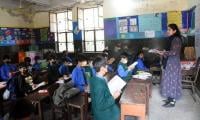
Every year, more than 7 million children and 5.5 million women are vaccinated against 13 diseases through routine immunization services, while around 45 million children receive polio vaccines during multiple supplementary campaigns conducted nationwide.
Officials say this scale of outreach is made possible by one of the largest vaccination workforces in the world, comprising over 15,000 routine immunization vaccinators and more than 400,000 frontline polio workers deployed across urban and remote areas.
WHO Representative in Pakistan, Dr Luo Dapeng, said the success of immunization efforts rests on decades of scientific evidence and the commitment of frontline workers.
“Vaccines save lives and protect children from deadly diseases. The scientific evidence behind WHO prequalified vaccines is robust and must guide public health decisions,” he said, while acknowledging the contributions of health workers, scientists and communities in sustaining vaccination programmes.
Public health experts say that beyond preventing deaths, immunization has also reduced millions of cases of illness, disability and hospitalisation, easing pressure on Pakistan’s health system and lowering out of pocket expenditures for families.
“Each child protected from diseases like measles, pneumonia or polio represents fewer hospital visits, fewer missed school days and reduced financial strain on households,” a senior health official said, adding that vaccination programmes have long term social and economic benefits.
WHO estimates suggest that for every life saved through vaccination, an average of 66 years of healthy life are gained, reflecting the broader impact of immunization on quality of life and productivity.
With Pakistan continuing efforts to eliminate polio and improve routine immunization coverage, officials say the focus now is on addressing gaps in underserved populations, countering misinformation and strengthening primary healthcare systems to sustain and expand these gains.