TIMERGARA: The pharmacist community in Khyber Pakhtunkhwa has called for the immediate enforcement of the province’s pharmacy services policy, warning that continued neglect of the sector is undermining the healthcare system.
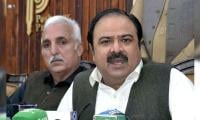
The demand was made during a joint press conference held at Timergara Press Club on Sunday by leaders of the Pakistan Pharmacists Association and the Young Pharmacists’ Community. Addressing the media, Young Pharmacists Community provincial general secretary Dr Hameed Zia, Pakistan Pharmacists Association leader Dr Yousaf Khan, district general secretary Dr Moeenuddin Tajik, Dr Asghar Khan, and Dr Ghufranuddin said pharmacists were medication experts and a vital pillar of the healthcare system, but were being consistently ignored.
They expressed concern that unqualified and inexperienced individuals were engaged in the sale of medicines across the province, posing serious risks to public health through the distribution of substandard drugs.
The speakers said only 56 drug inspectors were currently deployed across the province, which was insufficient for such a large population. They demanded the appointment of at least one drug inspector in each tehsil and the creation of one pharmacist position for every 50 beds in public hospitals.
Sharing statistics, they said around 11,000 registered pharmacists were available in the province, and 26 public and private universities were offering Pharm.D programmes. However, only about 100 pharmacists were employed in the health department, reflecting barely one per cent utilisation - a situation they termed “systematic negligence”.
They noted that despite substantial spending on procurement of medicines, there was not a single pharmacist posted in District Health Officer (DHO) offices to oversee supply chains, quality assessment, and rational use of drugs.
The speakers further said the province had only one drug testing laboratory, where reports often took months, and called for the establishment of testing facilities at the district level. They also demanded the appointment of pharmacists in DHO offices and ensured the presence of qualified pharmacists in all public hospitals.