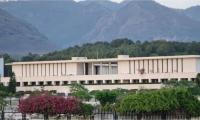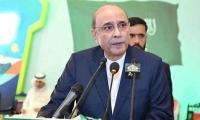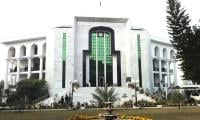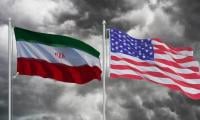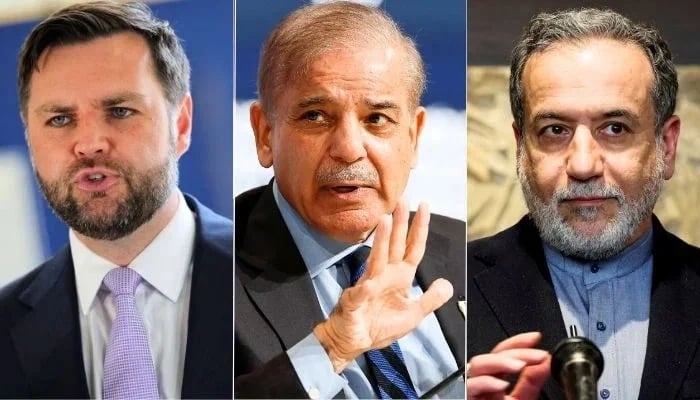
ISLAMABAD: The cocoon of Islamabad’s fanciest hotel was not enough to coax the United States and Iran into a historic peace agreement this weekend, but the progress made offered hope that dialogue was not over, TIME reported.
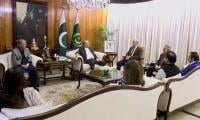
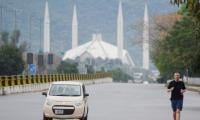
It was the highest-level meeting between the two sides since the 1979 revolution in Iran, with talks running through the night. The setting was a small purpose-built capital not used to high-stakes global diplomacy. Even many Pakistanis said it was surreal that world peace was to be decided in sleepy Islamabad. Yet, Pakistan, by having good ties with both Tehran and Washington, and playing no part in the war, was able to bring the two adversaries together.
On offer from the United States was a grand bargain: the lifting of sanctions on Iran, bringing the country fully into the international community, even a partnership. Washington wanted to test if the Iranian command, after seeing the destruction from six weeks of war and the killing of its Supreme Leader, would now bend to its will, experts said.
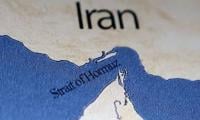
Yet Iran believed that it made gains from the conflict, including its hold over the Strait of Hormuz, which gave it leverage over the global economy. Tehran was not ready for what it would view as surrender. Pakistani officials were working frantically to salvage the talks, with the Iranian side remaining behind to confer with Pakistani mediators for some hours after US Vice President J.D. Vance left with the US delegation.
For Washington, the deal breaker was nuclear weapons. Iran’s concern was more fundamental: the country’s Parliament Speaker Mohammad-Baqer Qalibaf said that the US side “ultimately failed to gain the trust of the Iranian delegation in this round of negotiations.” Iran was bombed twice in the midst of talks with the United States over the last year. Tehran wanted assurance that the war would really be over this time, that the bombing would not restart once they made concessions.
Iran’s Foreign Minister Abbas Araghchi said afterwards that the two sides came within inches of an understanding, but “we encountered maximalism, shifting goalposts, and blockade.”
A weary Vance said the US had made the “best, final offer” as he left Islamabad. President Donald Trump told Fox News on Sunday that it was a “really good meeting”—except for one issue: “they want to have nuclear weapons. It’s not going to happen.”
A US official told Time that Iran did not agree to several “red lines” set by the Trump Administration, including an end to all uranium enrichment, the dismantling of all major enrichment facilities, and the removal of Iran’s stockpile of highly enriched uranium from the country. The official said Iranian negotiators also did not agree to end funding for allied militant groups across the region, and to fully open the Strait of Hormuz without charging a toll for passage.
Kamran Bokhari, senior resident fellow at the Middle East Policy Council, a think tank in Washington, said that US demands on nuclear matters left no face-saving for the Iranian side, with the talks unable to land on a formula both sides could accept. He saw the departure of the US team as a “classic walk-out move,” from Trump’s negotiating playbook. “The Iranians can’t look like they’ve capitulated,” said Bokhari. “The credibility of the regime at home and overseas is at stake.”
Trump has floated the idea of joint US-Iranian administration of the Strait. Tehran rejected the idea, which surfaced in the talks, saying that it was in the territorial waters of Iran and Oman, and those two countries should manage it. But even the fact that the two sides sat face-to-face, with Pakistani officials also in the room as mediators, was a breakthrough. Technical negotiations also took place separately. The last negotiation had been indirect talks.
Sina Toossi, senior non-resident fellow at the Center for International Policy, a research and advocacy group in Washington, said that both sides had incentives to continue negotiating. “The costs of renewed war are high for both,” said Toossi. “At the same time, political dynamics in Washington and Tehran, and the tendency toward maximalist positioning, could easily pull things back toward confrontation.”