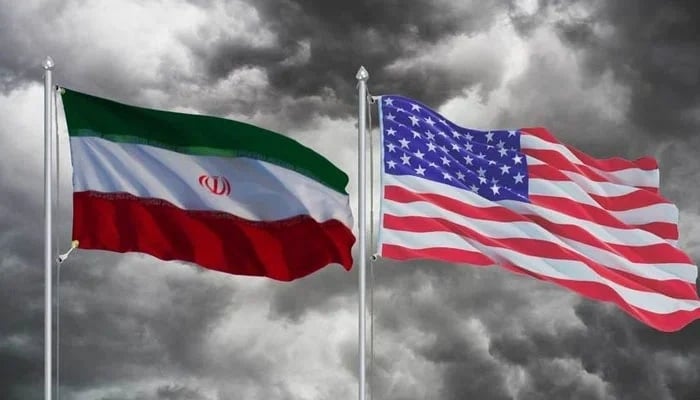
ISLAMABAD: Global public opinion on the ongoing Iran conflict reflects a widespread mood of neutrality, skepticism and deep concern about its geopolitical and economic consequences, with most people choosing distance over alignment in an increasingly tense international environment.
A comprehensive multi-country snap poll conducted by the Gallup International Association and released in Vienna on April 13, 2026, reveals a striking global consensus defined not by polarisation but by detachment, as 60% of respondents across 15 countries say they support neither side, compared to just 16% who back the United States-Israel alliance and an equal 16% who support Iran.
Perceptions of responsibility are sharply imbalanced, with 44% believing both the US and Israel are equally responsible for starting the war, while 24% blame the US alone and 12% Israel alone- bringing the combined attribution of responsibility to 80%, in contrast to only 15% who hold Iran responsible.
Public confidence in the war’s strategic outcomes is notably low, with 47% saying regime change in Iran will fail, only 21% expecting success, and 32% remaining uncertain, underscoring doubts about the feasibility of key objectives.
Expectations for the conflict’s trajectory are overwhelmingly pessimistic as 63% foresee internal chaos within Iran, 60% predict broader instability across the Middle East and 69% expect continued threats to Israel, while 59% believe the war will last many months and just 26% anticipate a quick resolution.
Economic fears further amplify the negative outlook, with 53% expecting severe financial harm, 33% anticipating minor harm and only 9% expecting no impact. Meaning, 85% foresee some level of economic fallout tied to inflation, energy disruptions and global trade instability.
Overall, the findings point to a global mood shaped by non-alignment, a strong perception of Western responsibility, low confidence in success and widespread anxiety about prolonged instability and economic consequences.