ISLAMABAD: Pakistan’s Power Division on Tuesday announced electricity tariffs fell by an average of 71 paisa per unit between July and February, delivering Rs46 billion in relief to consumers, while unveiling a targeted peak-hours strategy to prevent sharp price hikes amid rising fuel costs.
In a statement, the Power Division spokesperson said tariff reduction came despite global energy pressures, driven by structural reforms, improved planning and strict adherence to the merit order.
Authorities prioritised low-cost generation, enhanced operational efficiency and reduced transmission and administrative losses, resulting in both improved system performance and sustainable consumer relief.
The spokesperson said the country’s power generation system remains stable and capable of meeting demand, even under challenging international conditions. However, a sharp surge in electricity usage during peak hours, from 5pm to 1am, has emerged as a key challenge, particularly due to reduced hydropower generation.
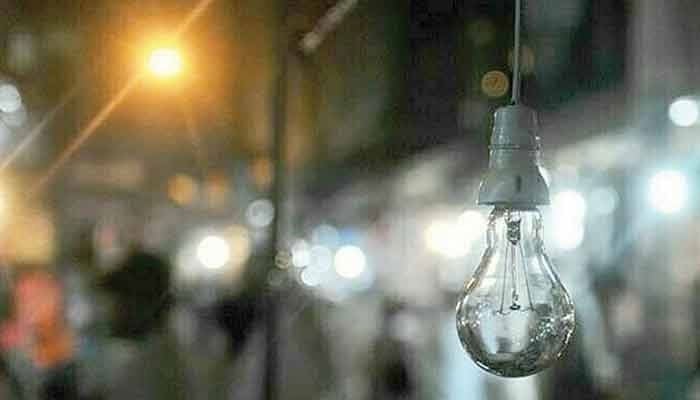
To manage costs and avoid reliance on expensive fuels, the government has decided to suspend electricity supply for about 2.25 hours daily during peak times. The measure is aimed at limiting use of furnace oil and preventing a significant increase in electricity tariffs.
Officials said a strategy is being closely monitored under prime minister’s direct supervision, with clear instructions to keep any price increase to a minimum.
As part of these efforts, 80MMCFD of local gas has been supplied to power plants, helping avert an estimated increase of 80 paisa per unit and reducing the need for additional load management.
The spokesperson said limited peak-hours load management is expected to prevent a tariff increase of around Rs3 per unit. Even with constrained furnace oil usage, a modest increase of about Rs1.5 per unit may still occur — far below projected Rs5 to Rs6 per unit spike without intervention.
Distribution companies have been directed to publicly share feeder-wise outage schedules to ensure transparency and avoid unannounced power cuts. Any outages due to technical faults must also be promptly communicated to consumers.
The government emphasised the move is not conventional loadshedding but part of a broader “Peak Hours Relief Strategy” aimed at stabilising electricity prices. It reaffirmed its commitment to shielding consumers from global energy shocks while maintaining affordability and system reliability.
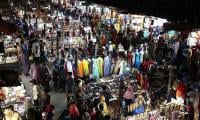
Officials added coordinated actions, including timely closure of commercial markets, could further reduce peak demand and help contain future tariff increases.
In a clarification regarding Peak Hours Relief Strategy, it was stated no load management is being carried out in HESCO (Hyderabad Electric Supply Company) and K-Electric under 2.25-hour peak hours relief plan.
This is due to availability of low-cost power generation in southern region and its supply to these two distribution companies. The spokesperson noted furnace oil-based generation does not significantly impact these areas. In addition, sufficient electricity from alternative sources is available in the south.
Since this electricity is primarily supplied to HESCO and K-Electric, it has been decided not to subject consumers in these areas to unnecessary inconvenience under the peak-hour strategy. Meanwhile, gas supply to households has been limited to three specific daily cooking times.
In a related development, the CNG sector will remain closed in May, and its allocated 50 MMCFD gas will be diverted to power sector. Officials said CNG supply is currently suspended due to pipeline faults but is expected to resume within two days.
At the same time, 24 MMCFD gas is being supplied to Agritech fertilizer plant, and a decision on additional gas allocation for fertiliser sector will be made next month. Energy planners warn without such measures, electricity costs would rise significantly, making controlled load management necessary to protect consumers from higher prices.