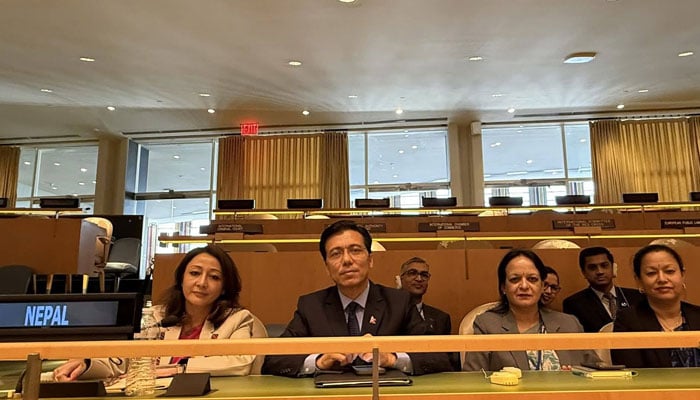
This March at the United Nations, Nepal led the initiative of declaring a dedicated International Wellness Day. The initiative culminated into adoption of the resolution by the UN General Assembly, proclaiming April 15 as International Wellness Day. Every year, starting from 2026, April 15 will be observed as International Wellness Day.
As the penholder of this initiative, Nepal is pleased to witness 40 nations co-sponsoring the resolution including Pakistan and it was adopted with the broad-based endorsement of 143 Member States. This reflects the growing global recognition of the multifaceted nature of human health that encompasses physical, mental, emotional, social and ecological wellbeing.
International Wellness Day also aligns with Sustainable Development Goal 3, which aims to ensure healthy lives and promote well-being for everyone, at all ages. The core of the wellness day concept is that it provides an important platform to raise global awareness about the significance of holistic wellbeing. Its regular and wider practices help achieve the Sustainable Development Goals, including supporting job creation, poverty eradication and inclusive growth.
Nepal has a long tradition of wellness that is deeply rooted as part of our everyday life. Medicinal and aromatic herbs are commonly grown at home. Indigenous knowledge of homegrown herbal remedies, ayurvedic practices, naturopathy and traditional healing practices have been passed down in our society through generations. Buddhist monks have used the resonating sound of handcrafted metal singing bowls as a tool for meditation for ages. These practices value the integration of natural ingredients and fostering balance of body, mind and spirit.
Wellness is a holistic approach, which recognises that the human body and mind are interrelated. Physical health directly affects emotional stability and vice versa. To achieve a balanced life, one must pay attention to multiple dimensions of wellness such as physical, mental, emotional, social and ecological. In a world where stress and lifestyle diseases are rising, wellness focuses on creating awareness about lifestyle choices such as physical activity, yog, balanced diet, adequate sleep which can lead to improved health. These small everyday habits help manage stress, improve resilience and support emotional wellbeing before they manifest as physical, emotional and mental health conditions.
Wellness emphasises preventive, lifestyle-based and people-centered approaches to save lives, reduce healthcare costs and curb preventable diseases. Wellness serves as a vital pathway for enhancing quality of life, safeguarding human dignity and enabling every human being to realise his or her full potential. International Wellness Day is a reminder to make wellness a part of daily life rather than something occasional. We invite all governments, private sector and other institutions to observe the International Wellness Day.
In recent years, the concept of tourism has shifted worldwide from sightseeing to wellness tourism with a focus on rejuvenation of one’s body, mind and spirit. Traditionally, Nepal is well-known as a premier destination for trekking, mountaineering and spiritual tourism featuring UNESCO sites in its major cities like Kathmandu and Lumbini. The new government in Nepal has identified several key priorities focused on reform, development and economic stability. Among them, wellness tourism is one of the transformative national agenda for economic development in Nepal. Accordingly, we are drafting a National Wellness Tourism Strategy.
Nepal’s diverse landscapes, rich cultural heritage and traditional healing practices make it an ideal destination for wellness travel. Beautiful mountains, breath-taking landscapes, pleasant weather, fresh air and peaceful surroundings offer natural settings that enhance relaxation and mindfulness.
Several destinations in Nepal provide multi-day packages that include yoga classes, nature walks, healthy meals and traditional herbal therapies that promote healing and relaxation.
Natural hot springs found in hilly districts of Nepal are like natural detox stations, full of minerals and other healing elements for skin and nerve issues. Hotels in major cities feature spa treatments and therapies as wellness experience. Meditation centres offer multi-day retreats that integrate silence, self-reflection and meditation. With the aim of positioning Nepal as a global hub for wellness tourism, the government of Nepal has designated 2027 as “Nepal Wellness Year 2027.” Nepal welcomes international tourists to enjoy not only its natural beauty and cultural heritage but also get energised through practicing traditional wellness in a serene environment.
The writer is ambassador of Nepal to Pakistan.