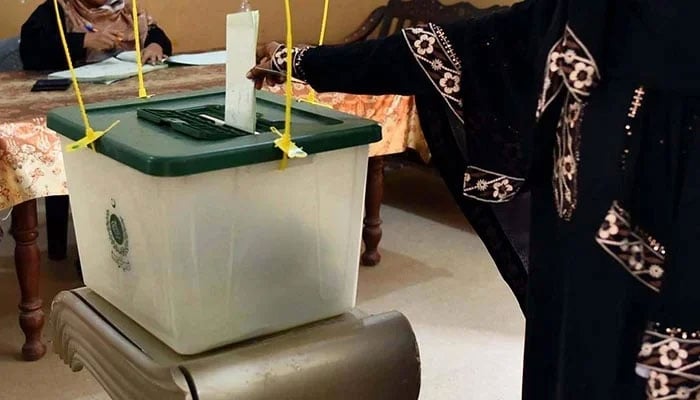
LAHORE: A renewed call for the immediate conduct of local government elections in Punjab has emerged as community leaders, activists, and stakeholders highlighted growing concerns over the continued absence of an elected local government system, describing it as a key factor behind a widening development deficit in the province and weakened public service delivery.
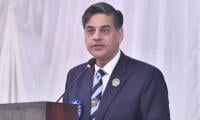
Speaking at a session organised by civil society representatives here Friday, with a focus on community mobilisation and local governance, Arshad Mahmood Mirza urged citizens to actively exercise their right to vote and participate in the electoral process. He emphasised that public participation remains a cornerstone of democracy and stressed the need to strengthen engagement between citizens and governance structures.
He noted that the absence of a functional local government system in Punjab has created a gap in grassroots development planning, resulting in delays in municipal service delivery, reduced accountability, and limited citizen participation in decision-making processes at the local level.
He underlined that strengthening grassroots governance is essential for addressing area-specific issues within a structured and constitutional framework. Salman Abid pointed out that the prolonged absence of local government institutions has led to multiple governance challenges for citizens, including delays in municipal services, reduced community participation in development planning, and continued civic issues that could otherwise be addressed more effectively through elected local representatives. He noted that administrative affairs are currently being managed by appointed officials, which has further weakened public ownership of local development processes.
He added that the lack of elected local institutions has also contributed to what he described as a ‘development deficit,’ particularly in areas where local-level prioritisation and accountability mechanisms are absent.
During the discussion, speakers noted that while the newly introduced law contains certain improvements, significant gaps remain in implementation and public accessibility. They emphasised that timely elections are essential to enable citizens to participate directly in governance and take ownership of local institutions. Mehr Safdar, Syeda Ghulam Fatima, Rubina Jameel and Zahid Islam also spoke.