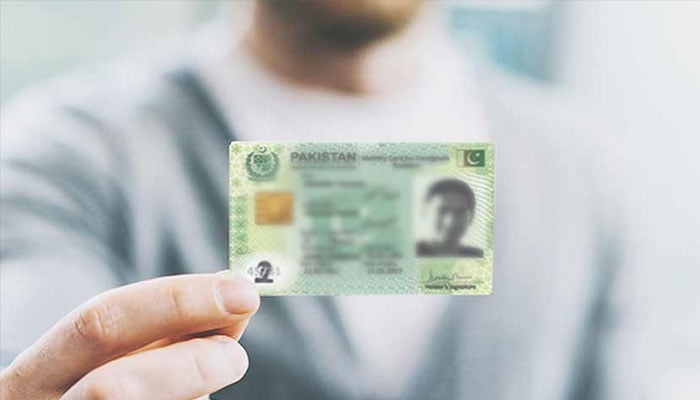
The State Bank of Pakistan’s decision to allow teenagers to independently operate bank accounts and digital wallets is a right step that can help the country meet its financial inclusion goals. Per reports, despite a steady rise in overall account ownership (now at 67 per cent of the adult population), a significant gap has persisted among younger users, who have largely been confined to parent-controlled accounts. This has limited their ability to develop practical financial habits early on. In a country where informal financial behaviour remains deeply entrenched, early exposure to structured financial systems could have long-term benefits. This step may lead to a cashless economy. At present, most teenagers rely on the cash stipend given by their parents or guardians. With their money parked in accounts, cash-based transactions will also hopefully come down, leading to stronger documentation.
While the step itself is commendable, the relevant authorities must take a few measures to ensure this announcement does not lead to a financial crisis for teenagers. Financial access without financial literacy carries risks. Banks and regulators will need to invest in financial education tailored to young users. Without this, access to digital wallets could lead to misuse, overspending or exposure to fraud, particularly in an environment where digital scams are on the rise. Teenagers, by definition, are more vulnerable to coercion, peer pressure and online manipulation. Banks should ensure strong controls, including spending limits, parental oversight options, fraud detection mechanisms and clear grievance redressal channels, to ensure responsible use.
It is also important to fight against the invisible barriers. It is the authorities’ responsibility to ensure that working-class teenagers are not left behind. Many people employed in the informal sector struggle to open accounts. This is because they lack the documents required to show that they are indeed employed as household help. Letting their children open a bank account can do wonders. First, the children will have a secured savings account where, instead of spending their stipend or money received as a gift on unnecessary things, they can maintain a proper bank account. Such a financial statement may help them apply for small loans, which can be used for education or to set up small businesses. Provincial governments regularly launch programmes to support women from low-income backgrounds. Maintaining a bank account can allow deserving women to have proof of the capital they have and the additional capital they need to meet their financial needs. The SBP has taken a step in the right direction. It is hoped that all segments of society can avail themselves of its benefits. A financially strong nation can do wonders for our country’s progress and prosperity.