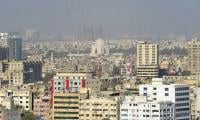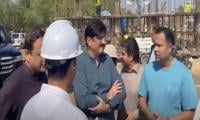
In a significant step towards building a cleaner, healthier and more environmentally responsible Sindh, the Sindh Solid Waste Management Board (SSWMB) is preparing to gradually extend its municipal waste collection and disposal services across the province, well beyond the major urban centres that have traditionally received most of the attention.
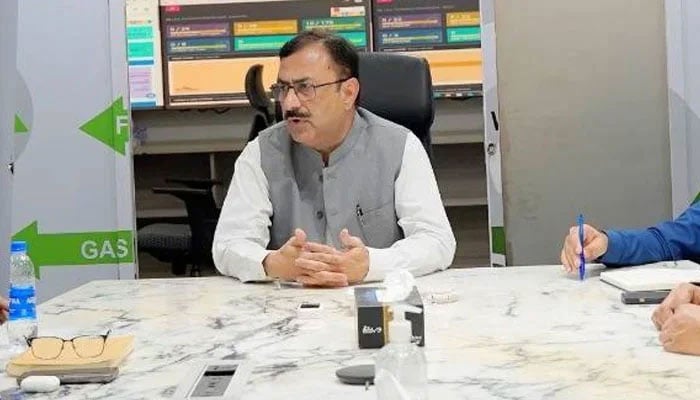
This was disclosed by SSWMB Managing Director Tariq Ali Nizamani while delivering the keynote address at a conference recently held in Karachi and attended by senior representatives of the corporate sector, public institutions, government organisations, NGOs and charitable bodies.
He said the move signalled a potentially transformative shift for thousands of families living in smaller cities, towns and rural communities, where inadequate waste disposal has long posed risks to public health, dignity, and the local environment.
Nizamani said the board had completed, within just two months, a feasibility and technical assessment study after being directed by the government to evaluate the requirements for expanding proper municipal waste management across Sindh.
He said the study had laid out a practical roadmap for the development of a province-wide network of garbage transfer stations (GTSs) — a critical component in building a modern and efficient waste collection and disposal system.
According to him, one of the major challenges currently facing Sindh was that such facilities were either limited or absent in many smaller urban and semi-rural areas, leaving communities vulnerable to unsafe dumping, environmental degradation and the spread of disease.
In a major update for Karachi, Nizamani also announced that one cell of the sanitary engineered landfill being developed under the World Bank-funded Solid Waste Emergency & Efficiency Project (SWEEP) had already been constructed and was expected to become operational later this month.
He described the development as an important milestone in Karachi’s long-delayed journey towards scientific, environmentally sound and sustainable waste disposal. He shared that by the end of this year, Karachi’s waste management system was expected to be significantly strengthened through the addition of a fully functional sanitary engineered landfill and four modern GTSs, all being developed under SWEEP.
These facilities, he said, would help move the city away from outdated and harmful dumping practices and towards a more organised and environmentally responsible model of waste handling.
Drawing a striking international comparison, Nizamani told the audience that Karachi and Shanghai had nearly comparable populations, yet the Chinese financial and commercial hub had a far more advanced waste management infrastructure, including numerous recycling plants and around 200 modern GTSs. Karachi, by contrast, still had only a handful of such facilities. The comparison, he suggested, should not be seen as discouraging — but rather as a reminder of how much could be achieved with planning, commitment and collective action.
He reiterated that the SSWMB remained firmly committed to modernising the waste collection and disposal system in Karachi and across Sindh guided by the globally recognised environmental principles of: reduce, reuse and recycle
Nizamani said better waste management was not merely a civic necessity, but a human and environmental imperative — one that directly affected the quality of life, health and future of communities.
He stressed that the board would continue to play its role in improving environmental conditions in Sindh’s urban centres and in helping build a cleaner, safer and disease-free society. Calling for broader collaboration, he urged the corporate and industrial sectors to become active partners in this mission by scientifically and sustainably managing their own industrial and municipal waste.
Such cooperation, he said, was essential if Karachi and the rest of Sindh were to move towards a future where economic development goes hand in hand with clean streets, healthier neighbourhoods, and a greener environment for coming generations.