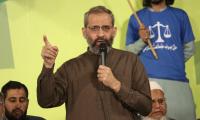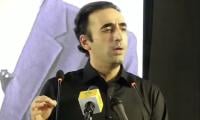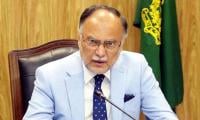
Tehreek Tahaffuz Aain-e-Pakistan (TTAP) central and former Sindh governor Mohammad Zubair on Saturday said the government had effectively dropped a “petrol bomb” on the public, pushing the country’s economy towards collapse.
Addressing a press conference at the Karachi Press Club, he announced that a protest strategy against what he termed “anti-people inflation policies” would be unveiled at a meeting of the party in Islamabad next week.
The TTAP leader said demonstrations would be held across the country, including a protest outside the Karachi Press Club on Sunday and an “inflation march” scheduled for May 1.
He criticised what he described as failed economic and foreign policies, questioning why trade with the United States had not improved and why foreign investment was not increasing despite claims of successful diplomacy.
Flanked by PTI Sindh General Secretary Dr Masroor Siyal, Karachi General Secretary Arslan Khalid and other party leaders, Zubair accused the government of sharply increasing the petroleum levy and taxes.
He said it reflected a “double standard” to term subsidies under Prime Minister Shehbaz Sharif as “good” while criticising those introduced during the tenure of Imran Khan as “bad”.He claimed that the government had first increased taxes by Rs25 and later by up to Rs55, but it was forced to reduce fuel prices following strong public and political backlash.
Calling the prime minister’s recent speech political in nature, Zubair alleged that the government had failed to meet its tax collection target of Rs14 trillion. He said that Pakistan’s economy was under severe pressure and rising fuel prices were placing an additional burden on citizens, while neighbouring countries had not increased prices.
Questioning the government’s economic management, he claimed that public debt had surged by 400 per cent and tax rates by 300pc, without any reduction in “lavish expenditures”. He demanded that all additional taxes be withdrawn, alleging that the public was being “exploited in the name of petroleum”.
He further announced that political activities against the government would begin next week, culminating in the planned “inflation march” on May 1.
PTI Sindh General Secretary Dr Masroor Sial said the increase in petrol prices had triggered a sharp rise in inflation, adding that the public was now looking towards the PTI founder for relief.
He accused the ruling elite of remaining engrossed in luxury while ordinary citizens struggled with rising costs, and announced a protest outside the Karachi Press Club on Sunday, followed by demonstrations at Adiala Jail on April 7 and a public gathering at Liaquat Bagh on April 9.
A day earlier, Sindh Pakistan Tehreek-e-Insaf (PTI) President Haleem Adil Sheikh condemned the sharp increase in petroleum prices and announced a protest demonstration at the Karachi Press Club.
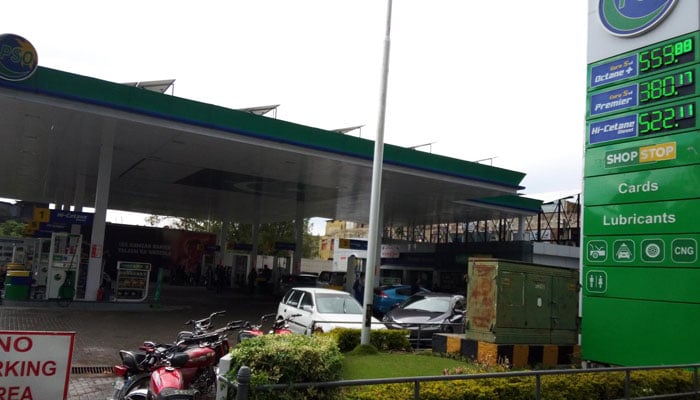
Addressing a press conference at the Karachi PTI office along with other leaders of the party on Friday, Sheikh criticised the government for what he described as unleashing a ‘petrol bomb and atomic bomb’ on the public overnight, noting that petrol prices had increased by Rs137 and diesel by Rs185, taking them to Rs458 and Rs520 per litre respectively.
He pointed out that from 1947 to 2022, petrol had risen to only Rs150 per litre, while the current government had increased it to Rs458 in just three years. Diesel, he said, had jumped from Rs145 to Rs. 520 per litre.
He compared global oil prices, stating that on April 2, 2022, during the Russia-Ukraine conflict, global petrol prices ranged between $105 and $110 per barrel, with Pakistan’s petrol price at Rs.150 per litre. By April 2, 2026, despite tensions between Iran and Israel, global prices were around $107 per barrel, yet prices in Pakistan had surged many times over, the PTI leader said as he questioned why the public was bearing such a burden when supplies continued through the Strait of Hormuz.
Sheikh said Pakistan now ranked among the most expensive countries for petrol, while neighbouring India charged Rs94 to Rs103 per litre, Bangladesh Rs116, Nepal Rs169, Sri Lanka Rs398, Afghanistan about 61 Afghanis, and Iran Rs10 to Rs15 per litre. Other countries had reduced taxes, but Pakistan increased petrol taxes to Rs160 per litre.
He noted that Pakistan consumed approximately 1.5 billion litres of fuel per month and 18 billion litres per year. A Rs100 price increase imposed a burden of Rs1,800 billion on the public, while the latest hike could add nearly Rs.6,000 billion. He said that in March alone, an increase of Rs190 had already added Rs318 billion to the citizens’ expenses in one month.
The PTI leader warned that the surge in petroleum prices would drive inflation up by another 40 to 50 per cent with goods transport fares already increased by 70 per cent and LPG prices reaching Rs500 per kilogramme.
Electricity tariffs were also expected to rise by Rs2 to Rs5 per unit, affecting food, agriculture and transport costs.
Sheikh accused the government of following the International Monetary Fund policies rather than providing relief to the people. He described the motorcycle and transport subsidies as ineffective and prone to corruption. He said the government continued lavish spending on luxury vehicles, jets and privileges, while taxing even farmers’ buffalo dung.
On the economy, he said the national debt had risen from Rs44 trillion in April 2022 to Rs80.5 trillion, which was an increase of Rs36.5 trillion in just four years, leaving each citizen approximately Rs325,000 in debt. He questioned whether the claims of preventing a default were justified.
Karachi PTI President Raja Azhar said those who had staged long marches over minor hikes in the past remained silent today. He added that while the prime minister advocated austerity, he travelled in large convoys, disconnected from the public’s hardships.
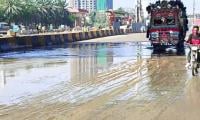
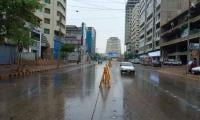
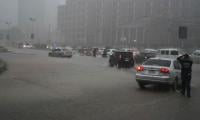
Karachi PTI Secretary Arslan Khalid spoke on Karachi’s condition, saying the April 2 rain submerged the city and caused seven deaths, whereas main arteries of the city, including Sharea Faisal, were flooded.
The March 19 rain had killed 19 people and submerged several areas including the Karimabad underpass, he recalled.
He highlighted incomplete development projects such as Red Line and University Road, deteriorating infrastructure, inadequate hospital facilities, and lack of basic health and education services as proof of injustice against Karachi.