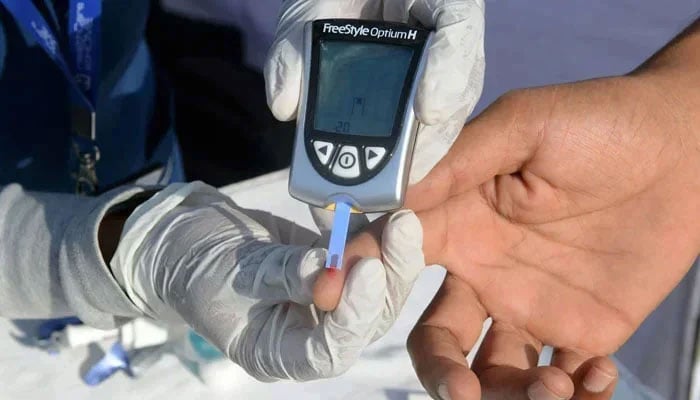
The alarming rise in the early-onset type 2 diabetes among Pakistani adolescents is being driven by lack of breastfeeding during infancy, experts have warned as pediatricians and endocrinologists report a growing number of teenagers developing a disease once largely confined to adults.
Senior paediatric endocrinologists and diabetologists say they are now seeing teenagers with type 2 diabetes, a trend they describe as alarming and largely preventable. They link this shift primarily to the growing practice of formula feeding, combined with sedentary lifestyles, excessive screen time and unhealthy diets.
“We are now seeing adolescents and teenagers with type 2 diabetes in Pakistan, which is extremely unusual globally,” said Prof Jamal Raza, executive director of the Sindh Institute of Child Health and Neonatology. “The most important contributing factor is the absence of breastfeeding in early life, which plays a critical role in protecting children from metabolic diseases.”
Pakistan already carries one of the heaviest diabetes burdens in the world, with around 35 million adults living with the condition. Experts warn that the emergence of diabetes in children signals a far more dangerous trajectory, where complications such as heart disease, kidney failure, stroke and blindness could begin much earlier in life, shortening life expectancy and placing an enormous burden on the healthcare system.
Prof Raza said evidence showed that children who were not breastfed faced a 33 to 40 per cent higher risk of developing type 2 diabetes later in life. Scientific literature also supported this association with large scale analyses showing that individuals who were breastfed had significantly lower chances of developing type 2 diabetes compared to those who were not, he added.
He said breastfeeding was not just nutrition but a biologically optimised system. “Mother’s milk is a tailor made diet that provides ideal nutrients and contains antibodies that protect against infections. It also regulates metabolism in ways that reduce the risk of obesity and diabetes later in life,” he explained.
In contrast, he noted, formula feeding was linked with higher rates of weight gain and obesity in children, which was a key risk factor for insulin resistance and diabetes.
“We are effectively exposing children to long term metabolic risks right from infancy,” he lamented.
Experts also point out that children deprived of breastfeeding are more likely to suffer from allergies, asthma, diarrhoea and other infections, further affecting their overall health and development.
Prof Raza stressed that exclusive breastfeeding for the first six months of life is essential with no need for water or any other food during this period. “It is a critical window where metabolic programming takes place,” he said.
Global health expert Zulfiqar Bhutta remarked that the need for formula milk was extremely limited. According to him, only a small number of infants required it due to serious medical or social circumstances, such as the death of the mother or her inability to breastfeed, while the overwhelming majority could be exclusively breastfed.
Leading diabetologist Abdul Basit also warned that the foundations of Pakistan’s diabetes epidemic were being laid in early childhood. He highlighted that depriving children of breastfeeding had been contributing to a surge in diabetes cases later in life, calling it a silent but significant public health failure.
Other health experts say the crisis is being amplified by modern lifestyle patterns. Children are increasingly becoming sedentary spending hours on mobile phones and screens while consuming high calorie processed foods. This combination has been accelerating obesity, which in turn is driving early-onset diabetes.
They warn that unless breastfeeding rates improve and childhood lifestyles change, Pakistan could see a generation developing chronic diseases much earlier than before.
“This is not just about diabetes, it is about the future health of the nation,” Prof Raza said. “If we continue to neglect breastfeeding, we will continue to produce younger patients with lifelong diseases that could have been prevented.”