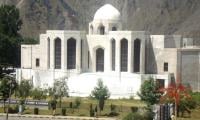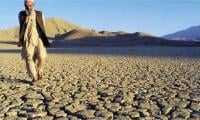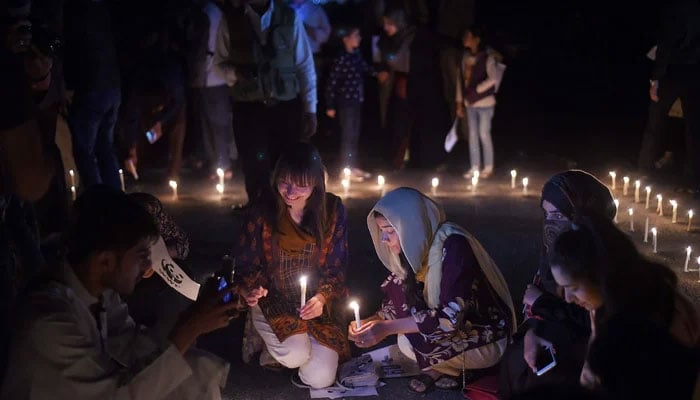
The Pakistan government’s participation in the Earth Hour campaign on Saturday (March 28) was bittersweet. In recent years, the world has seen the country’s vulnerability to climate change. The traumatic events, including the sweeping away of entire families by flash floods, have left permanent scars on the nation. Against this backdrop, the practice of switching off the lights for at least an hour (8:30pm to 90:3pm) also reaffirms the government’s resolve to do what it can to save the planet Earth, a place around eight billion people call home. The event is also seen as a reminder to world leaders that saving our planet is our collective responsibility and that its resources are finite. At present, given the world’s technological advancements and several countries’ aspirations to become superpowers, it seems that world leaders are forgetting that they cannot take nature for granted. The major evidence of this is the scale of destruction unfolding globally. Wars, whether in our immediate neighbourhood or beyond, are environmental disasters unfolding in real time.
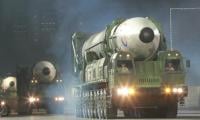
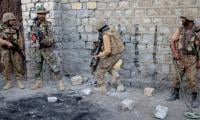
Bombings destroy infrastructure, releasing toxic materials into the air and water. Fuel consumption by military operations accelerates carbon emissions at an extraordinary scale. Forests burn, agricultural lands are rendered unusable, and ecosystems collapse under the strain of prolonged conflict. Even though the environmental costs of war are rarely calculated in official statistics, they linger for generations. For a country like Pakistan, already grappling with deforestation, urban pollution and fragile water systems, the ripple effects of nearby conflicts are particularly concerning. Refugee flows strain natural resources, regional instability disrupts climate cooperation and economic pressures push environmental priorities further down the policy agenda. It is almost depressing how Pakistan is entangled in this mess. The country itself contributes less than 1.0 per cent to global greenhouse gas emissions, but it ranks among the most climate-vulnerable nations in the world. This is why it cannot keep quiet when a war unfolds in its backyard. Which is why its leaders are taking the diplomatic route to restore some normalcy.
This year’s Earth Hour, observed at a time when energy prices are skyrocketing and most countries are encouraging their people to ration the commodity, this one hour of darkness was also seen as a bleak reminder of how things could be if the wars go on for long. Governments around the world make grand trips every year to hold climate conferences and pledge commitments to climate goals. But the same leaders do not blink twice before investing heavily in military expansion. The resources allocated to warfare could, if redirected even partially, transform renewable energy infrastructure, climate adaptation programmes and disaster resilience in vulnerable countries like Pakistan. This is the time for world leaders to come together to end ongoing conflicts.