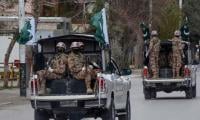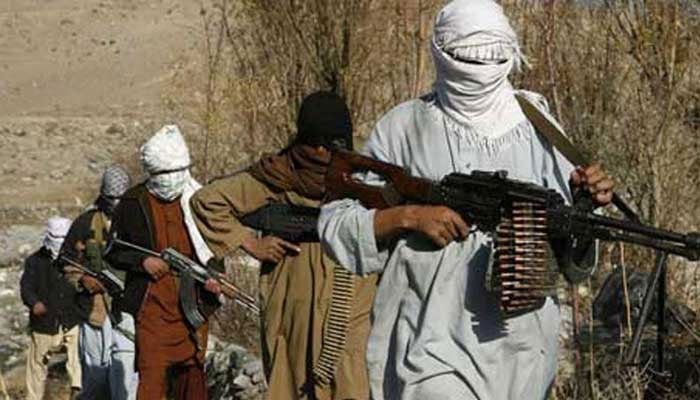
A reported 65 per cent decline in terrorist attacks in Khyber Pakhtunkhwa (KP) following the launch of Operation Ghazab Lil Haq is being rightly seen as evidence of success – and, more importantly, as proof of a long-suspected nexus. According to KP police, 240 incidents were recorded before the operation, compared to 80 afterwards, with a total of 323 incidents so far this year. While caution is warranted in reading too much into short-term trends, the direction is telling. From KP to Balochistan, the relative drop in attacks coincides with Pakistan’s decision to directly target militant infrastructure across the border. This correlation reinforces what Islamabad has long argued: that the Afghan Taliban regime has provided safe havens to groups such as the TTP and the BLA. Despite repeated diplomatic engagements, Kabul has failed – or refused – to act against these networks.
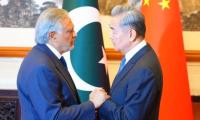
It is in this context that Pakistan’s shift from restraint to retaliation must be understood. The launch of Operation Ghazab Lil Haq followed months of escalating tensions, including the breakdown of a ceasefire agreed in October 2025 after border clashes triggered by unprovoked Afghan fire. Islamabad’s options had narrowed: diplomacy had yielded little, warnings had gone unheeded and cross-border attacks had intensified. Yet, even as military action has altered facts on the ground, a parallel diplomatic track appears to be emerging. Reports of China-mediated talks between Pakistan and Afghanistan in Urumqi – the first such engagement in weeks – suggest that both sides recognise the unsustainability of continued escalation. If these talks lead to a verifiable mechanism ensuring Afghan soil is not used against Pakistan, they could mark an important, if fragile, turning point.
Still, the core issue remains unchanged. The Afghan Taliban regime must decide what kind of state it wants to be. It cannot simultaneously seek international legitimacy while harbouring groups that destabilise its neighbours. The choice is stark: align with regional stability or persist as a sanctuary for militancy. Pakistan, too, must reckon with its past miscalculations. The optimism – even celebration – that accompanied the Taliban’s return to power in 2021 ignored clear warnings about the likely resurgence of the TTP. The consequences are now evident. According to the Global Terrorism Index 2026, Pakistan has, for the first time, become the country most affected by terrorism. Incidents in 2025 were six times higher than in 2020, with 1,139 deaths – the highest toll since 2013. These figures underscore the cost of strategic misjudgment – but also the urgency of corrective action. The recent decline in attacks, if sustained, suggests that targeting militant sanctuaries can yield results. However, military gains alone will not secure long-term stability. That requires a fundamental shift in Kabul’s behaviour. A durable peace depends not just on ceasefires or negotiations, but on verifiable commitments and consistent action against all militant groups operating from Afghan territory. Until then, any reduction in violence will remain tentative and reversible.