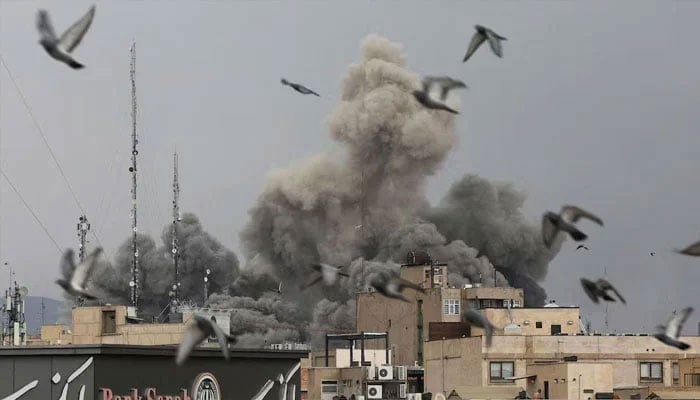
As we enter the fifth week of the war in the Middle East, most of the discussion so far has focused on oil, gas and the intensity of the energy shock. That concern is justified. But another danger is building more quietly, and it deserves attention before it becomes harder to manage. I am referring to the food security risks created by a prolonged war.
To some, that may seem counterintuitive. The Middle East is not usually seen as the world’s granary. A war in the region should not, on the face of it, trigger a food crisis. However, food systems are shaken not only when grain production collapses but also when the inputs needed to grow, move and process food become costlier or harder to secure. The World Food Programme has warned that if the war drags on and oil prices remain high, tens of millions more people could face acute food insecurity.
I have long argued that food security should be understood more broadly than staple stocks. In most developing countries, it rests on a wider chain linking fuel, fertiliser, irrigation, transport, trade and household purchasing power. Break one or two links in that chain, and the damage spreads quietly at first. It begins with higher input costs, rising freight charges and factory slowdowns. It ends in smaller harvests, dearer food and households cutting back on quality before cutting back on quantity.
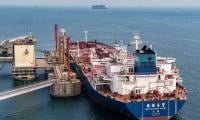
The present conflict fits that pattern. Here’s why: while only 20 per cent of global oil and LNG supplies pass through the Strait of Hormuz, approximately 30 per cent of internationally traded fertiliser transits the strait. Modern agriculture relies on three essential nutrients – nitrogen, phosphorus and potassium. Nitrogen fertilisers such as ammonia and urea are produced from natural gas. Phosphate fertilisers depend on sulphur, which is tied to oil and gas refining.
Disruption in the Gulf therefore reaches food production through a second route, not only through fuel but through fertiliser itself. Production of both nitrogenous and phosphatic fertilisers in the Gulf has already been halted or disrupted, tightening global supplies and pushing prices higher. A significant share of global urea trade is now at risk. The consequences for food production will not be immediate, but they will be felt with a lag, and then more broadly through food prices and food security.
Rising fuel and electricity prices worsen the problem. Every part of the food system depends on energy. Diesel powers tractors, harvesters, tubewells, trucks and ships. Electricity runs cold storage, milling and food processing. As fuel and energy costs rise, so do the costs of producing, transporting, storing and preparing food. In wealthier countries, that is mostly an inflation problem. In low-income ones, it can lead to hunger. For example, in Pakistan, recent HIES data show that food accounts for 37 per cent of household spending, while housing and energy account for another 26 per cent. When conflict pushes up both food and energy costs, the squeeze on household budgets becomes immediate. For millions, that means cutting back on basic consumption, not discretionary spending.
At the global level, the risk is not an immediate collapse in food availability. Grain markets are more comfortable today than they were after Russia’s invasion of Ukraine. That offers some cushion. But food crises do not begin only when silos are empty. They also begin when fertiliser is delayed, when gas is rationed, when freight becomes more expensive, and when import-dependent countries lose the ability to absorb price shocks. What makes this war dangerous is not only what it does to food today, but what it may do to the next planting season and to the purchasing power of poor households.
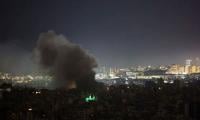
The regional picture is already troubling. Gulf countries import most of their food and are deeply exposed to shipping and logistics disruption. Gulf states depend on imports for 80-90 per cent of their food. They have more fiscal space than poorer neighbours, but even deep pockets cannot fully offset blocked routes, insurance premiums and supply delays. Lebanon’s position is far more fragile. Food insecurity was already severe before this latest escalation. The conflict has added displacement, damaged infrastructure and further pressure on jobs and markets.
Iran’s case is different but equally important. There, the pressure is less about sudden nationwide shortages and more about worsening affordability, weaker access and thinner resilience as the war compounds inflation, currency weakness, and domestic economic stress.
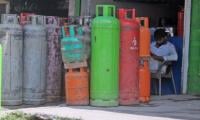
For Pakistan, the implications are more direct than many assume. We are not only vulnerable because oil matters to our macroeconomy. We are also vulnerable because food production itself depends on the energy system. We rely on gas in three competing areas: fertiliser production, electricity generation and domestic consumption. When gas becomes scarce or expensive, pressure builds across all three.
With Qatar declaring force majeure on its gas contracts, Asian LNG prices have surged and governments across Asia are already scrambling to manage the fallout. There is gas rationing in India and temporary shutdowns of fertiliser plants in Bangladesh. These reactions show how quickly a regional war can move from the energy market into the farm economy.
I would add one more concern that is often overlooked in policy debate. When fertiliser becomes expensive, farmers do not always stop farming. They adjust. They apply less, shift crops or borrow more and hope prices will later compensate them. In a year of favourable weather, some of that damage can be absorbed. In a year of poor or excessive rainfall or extreme heat, it cannot. This interaction between input stress and weather volatility is one reason food shocks can gather force slowly and then arrive all at once. The current conflict is adding to a wider set of risks that already includes climate variability and the prospect of governments resorting to export restrictions if domestic anxiety rises.
So, what should countries like Pakistan do? They should begin by treating food security and energy security as part of the same problem. In the short term, that means protecting fertiliser feedstock gas during critical crop windows, securing phosphatic fertiliser before disruptions deepen, and preparing targeted income support if higher food and fuel costs begin to erode household purchasing power.
In the medium term, Pakistan should do what it has delayed for too long: strengthen seed systems, improve irrigation efficiency, invest in storage and shift more farm and food operations towards cheaper and more reliable renewable energy where feasible. Just as important, the government should speak plainly. Panic helps no one, but neither does the fiction that food security begins and ends with wheat.
As I have written before for these pages, Pakistan often feels global shocks first through the household budget. This one is likely to follow the same path. It may begin with war-related pressure on oil and gas, but it will soon be felt in higher fertiliser costs, more expensive transport, food inflation, and a broader squeeze on family budgets.
For many households, the question will be how to manage the remaining expenditures after covering food and energy costs. That is why, as the fifth week of this war begins, food security deserves to stand alongside energy security in Pakistan’s policy debate.
The writer heads SDPI, chairs the board of the National Disaster Risk Management Fund, and serves on the ADBI’s Advisory Board. He posts on LinkedIn @Abidsuleri