In 1955, speaking against colonialism at the Bandung Conference, President Sukarno declared that freedom is indivisible: no nation is truly free while any part remains unliberated, just as there is no such thing as being “half alive”.
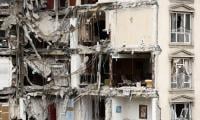
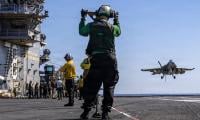
Today’s war involving Iran is marked by an unprecedented buildup of American and Israeli forces and a massive initial assault using over a thousand aircraft and cruise missiles. The strikes were highly precise, causing significant losses among Iran’s top civilian and military leadership. Yet, despite expectations of a swift fall of Tehran within 48 hours, Iran’s resilience and response have exceeded the aggressors’ expectations.
Never in modern history have lines been drawn so clearly. Rarely has such sacrifice been seen from a nation’s leadership, as claimed of Iran. A smaller nation with a weaker military has shown resolve and unity in resisting a dominant power. For the first time, the leading superpower appears to seek an exit strategy while struggling to meet its objectives. Israel, too, faces determined resistance and asymmetric responses despite Iran’s economic sanctions and isolation. And the Gulf States are rethinking their reliance on outsourced defence.
This war is distinct from Gaza, Libya, Iraq, Syria and past Pakistan-India skirmishes. Despite vast technological, military, economic and diplomatic superiority, the strategies and assumptions of stronger powers are seen as flawed. Intangible factors – morale, unity and resilience – can shape outcomes beyond measurable force. While global narrative, diplomacy and media influence have been heavily deployed, internal public support is viewed as strengthening Iran’s leadership as the conflict continues. The situation offers lessons for other nations, with broader implications likely to emerge once the conflict ends.
Since World War II, colonialism formally ended, but the cold war saw intense superpower rivalry marked by interventions, covert operations and regime changes. The US, aiming to contain communism and protect its interests, supported or influenced governments in countries like Iran, Guatemala and Chile, often through political pressure or covert action. Critics argue that elements of interventionist policy persist, particularly in the Middle East.
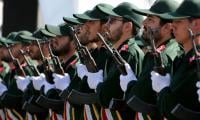
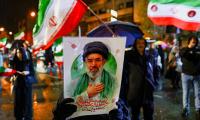
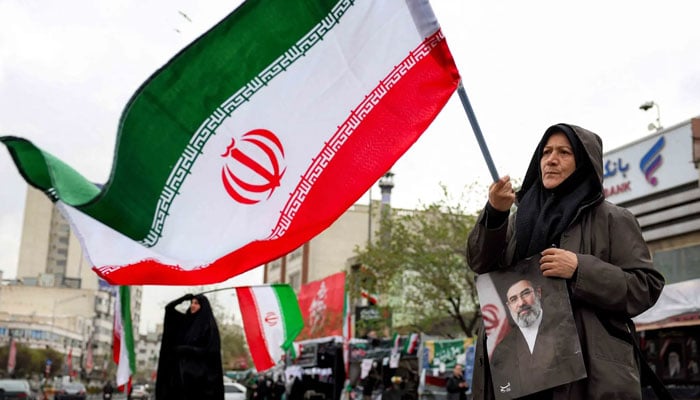
Another key lesson is the resolve and unity of the Iranian people and their leadership’s spirit of sacrifice, which have overcome superior technology and military power. Despite facing the most advanced aerial attacks from two powerful adversaries, Iran’s military and IRGC, equipped with indigenous missiles and drones, have confidently defended the nation. By day 15, Iran had responded fiercely against American installations in the Gulf as well as Israeli targets. For smaller nations, especially Muslim countries, the lesson is clear: sovereignty depends on internal strength and unity. No ally can replace self-reliance and national resilience.
Air power alone cannot win wars or change regimes, especially against asymmetric opponents. While precision strikes and infrastructure attacks are effective for showing resolve, they fail to achieve political objectives in such conflicts. Despite possessing the most advanced air power, America and Israel have been unable to alter Iran’s leadership; instead, Iranian resolve and popular support have strengthened. Iran’s asymmetric responses with drones, ballistic missiles and horizontal escalation have proven effective.
As the war continues, global opinion may shift towards Iran, increasing domestic and international pressure on American leadership. Prolonged conflict strains finite military and economic resources, causing worldwide disruptions. Rising food and commodity prices and threats to the Strait of Hormuz highlight the war’s broader impact, signaling potential energy and food crises if the conflict continues, emphasising the limits of air power and the importance of strategy and resilience.
For Pakistan, this is a moment of concern and reflection. The world is in turmoil, and we sit at the centre of the storm. Strong leadership backed by popular support can deter any aggressor, but without courage and unity, even nuclear weapons cannot save us. Iran’s example offers a vital lesson in leadership, valour and strategy. Acknowledging these lessons with intellectual honesty is crucial, so our younger generation understands reality over fiction. Today, Iran stands as both a warning and a beacon of hope, showing that resilience, unity and strategic vision determine a nation’s survival and success.
Iran is the last line of defence and last nation standing against the Zionist and imperialist onslaught. The Iranian leadership has remained firm and steadfast in the most uncertain, volatile, ambiguous and stressful conditions. The Gulf countries need to reassess and reevaluate their security frameworks.
For Pakistan, war is not around the corner or in our backyard, it’s rather in every house and in heart and mind of every Pakistani. No country can be a more serious stakeholder for Iranian victory and territorial integrity than Pakistan. If Iran falls or fails, then Pakistan gets trapped in perpetual turmoil, encirclement and uncertainty. Hopefully, we stand united as a strong nation to face any such eventuality. Defiance by the Iranian leadership will soon resonate in all the power corridors of compliant states.
The writer is a defence analyst.