Recent decades have witnessed unprecedented levels of environmental degradation as climate change and weather events intensify global challenges.
Yet, warfare remains the most destructive, and modern conflicts have become the strongest catalysts for ecological destruction. The environmental effects of modern-day warfare are rarely discussed.
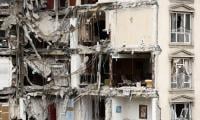
Modern military preparations and training activities prior to a conflict are another dimension, but the environmental impacts of war extend far beyond these pre-stages. In prolonged conflicts and gambles such as those in Iran, ecosystems are habitually destroyed, water resources are contaminated, energy infrastructure is damaged and toxic pollutants are emitted into the atmosphere, causing trans-boundary environmental and health consequences.
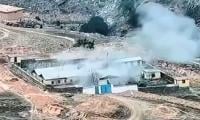
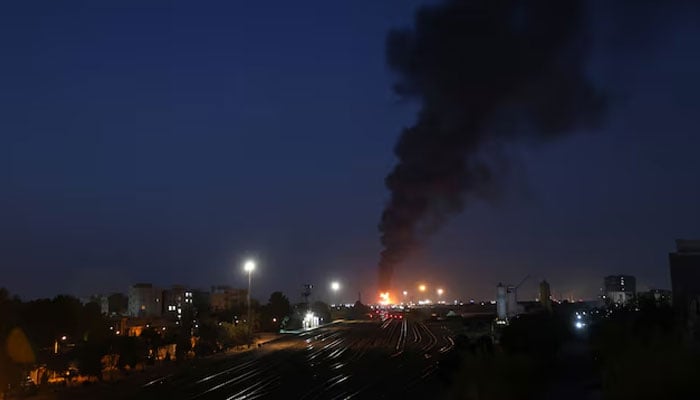
The US-Israel war on Iran continues to cause severe human and environmental costs. Attacks on oil infrastructure have led to widespread environmental hazards, with black rain over Tehran and potential contamination of groundwater and seawater. The strikes on desalination plants and continued civilian harm signal a shift from the traditional Just War Theory framework – jus in bello – which, as a limiting framework, requires parties in conflict to minimise harm to civilians and civilian objects under the ethical standards of discrimination and proportionality. Compliance with these standards distinguishes a just combatant from a war criminal.
In contemporary warfare, climate impacts and civilian harm are not just collateral damage but are structural and integrated into operational calculations. Damages are expected costs rather than moral flaws. Today, conflicts occur in highly urbanised and militarised settings, wherein civilians live within zones of violence. This signifies a notable divergence from the conditions in which traditional war ethics were initially formulated.
The traditional Just War theory presumes a clear distinction between combatants and non-combatants. However, conflicts have become heavily civilian-centered and civilian infrastructure, including homes, hospitals, schools and water supply systems has become part of the operational terrain. Such harms have normalised civilian suffering, turning it into a central feature of the conduct of war rather than incidental damage. Over time, the collective impacts of prolonged conflicts, as seen in occupied Jammu & Kashmir and Palestine, show that these conditions intensify. This indicates that jus in bello principles serve as an interpretive tool that can justify harm rather than limit it by treating harms individually. Consequently, the recognition of violence and its prevention become episodic.
History offers many examples. The Gulf War and the 2006 Lebanon War severely impacted all aspects of the environment, including air, marine and terrestrial ecosystems. Hundreds of Kuwaiti oil wells were burned, releasing enormous tonnes of pollutants each day. Similarly, during the Lebanon War, the Jiyeh power plant oil spill in the Mediterranean Sea resulted in a polluted sea and fouled coasts. The environmental damages amounted to billions, while the ecological consequences continue to be assessed.
Likewise, prolonged conflicts generate multifaceted ecological and humanitarian consequences that transcend battlefield destruction. In Occupied Jammu & Kashmir, sustained militarisation has led to extensive deforestation, water contamination and depletion of delicate montane ecosystems as military infrastructure expanded. Similar patterns are evident in Palestine, where occupation and repeated military operations have damaged critical infrastructure, strained water and land resources and increased ecological vulnerability in already fragile conditions. In addition, restricted communication and governance capacity compromise early-warning systems and silence vulnerable communities, turning climate vulnerability into a rights crisis.
These dynamics are visible in the attacks on Iran. The strikes on fuel stations and refineries have led to large-scale industrial fires that release a complex mixture of pollutants into the atmosphere. Dense smoke from burning petroleum facilities – comprising hydrocarbons, sulphur, heavy metals and fine particulate matter – can travel across urban air systems and later settle through precipitation. The ecological effects of these pollutants are multi-layered. Airborne particles accumulate in soil, waterways and infrastructure, thereby elevating the risk of groundwater contamination and affecting agricultural areas. Scientists have warned that emissions from oil plants may contain cancer-causing agents like benzene and other toxic substances. The immediate health impacts are clearly visible, as residents have reported breathing difficulties, skin reactions and other symptoms.
The World Health Organization and the Iranian Red Crescent Society caution that exposure to pollutants could heighten lung damage and increase respiratory and cardiovascular diseases, especially among children, the elderly and those with underlying conditions. The environmental impacts are even higher in coastal and offshore settings. Damage to oil platforms, refineries and chemical facilities endangers marine biodiversity and sensitive ecosystems in the Persian Gulf. Traditional ethical frameworks for evaluating whether a war is morally justified rarely address these environmental damages. However, the environmental consequences of war extend far beyond the battlefield, enduring for decades.
A recent study estimates that emissions from just 14 days of military strikes on Iran generated over five million tonnes of CO2, exceeding the total annual emissions of Iceland. This is a stark reminder to assess war and climate change within a unified analytical framework and highlights how such disastrous situations significantly undermine global climate mitigation efforts to control carbon emissions.
To establish how environmental harm can be investigated and prosecuted under existing international crimes, the International Criminal Court - Office of the Prosecutor (OTP) published its 2025 Policy on Addressing Environmental Damage through the Rome Statute. The policy emphasises that environmental degradation can fall within not just specific war crime provisions concerning environmental destruction but also within genocide, crimes against humanity, war crimes and aggression.
The policy shifts the focus from isolated components like forests and water bodies to interlinked ecosystems. This allows prosecutors to consider broader damages such as pollution, ecosystem disruption and loss of biodiversity in determining the severity of criminal offences. This policy strengthens the conceptualisation of harm within legal discourse; however, it does not establish a new crime like ecocide, instead it works within pre-existing clauses of the Rome Statute to tackle such conduct.
Does this policy make accountability for environmental harms in Iran more likely? It certainly does by recognising that environmental harm can contribute to the evaluation of genocide, crimes against humanity and war crimes, moving beyond the traditional threshold of ‘widespread, long-term and severe’ harms. This is especially relevant in the Iranian case, as strikes have caused widespread industrial fires, toxic plumes of smoke and black rainfall across the city.
Such impacts on the environment, under the OTP policy, can be considered as evidence during the assessment of the severity and overall consequences of attacks on civilian infrastructure. However, just like in other confrontations, ultimate accountability will continue to rest on existing political realities, the availability of supporting evidence and the ability of the ICC to exercise jurisdiction over the actors involved.
The consequences observed in the conflict with Iran highlight the need for both legal and policy innovation on the environmental costs of war. The world today faces a stark choice: either to consider war beyond the scope of environmental governance or to recognise that policymakers must acknowledge the reality that the environmental repercussions of conflict are major obstacles to achieving global sustainability. Ignoring this reality will not render it obsolete.
Wars will continue to degrade ecosystems, intensify fuel consumption and redefine global energy systems, regardless of whether climate negotiations recognize their impact. Consequently, global climate pledges will remain incomplete. It is now time to integrate the environmental consequences of conflicts into a global policy framework, as the costs of wars extend to decades of environmental repair.
The writer is a legal scholar specialising in development, governance and human rights. She is a member of the Global Ambassadors of Sustainability.