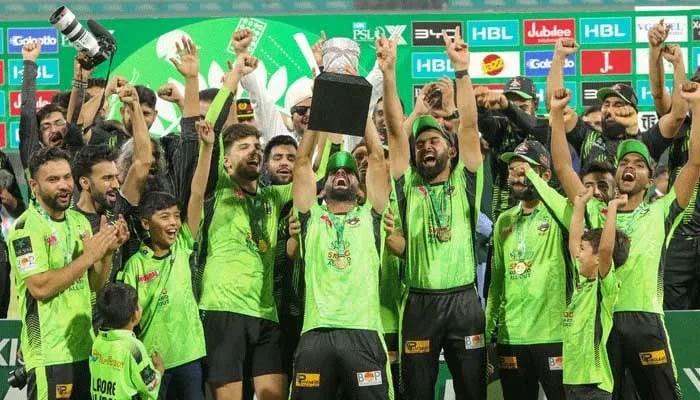
The 11th edition of the PSL kicked off on Thursday, with defending champions Lahore Qalandars facing a new franchise, the Hyderabad Kingsmen. This year, the tournament has expanded to include eight teams, with the Kingsmen and the Rawalpindiz being the latest additions. Sadly, this tournament will take place without fans, since matches are to be played in empty stadiums as part of fuel conservation measures introduced to cope with the impact of the ongoing Middle East crisis. The tournament will also only be played in two cities, Karachi and Lahore. This somewhat dampens the entry of the new teams, given that their respective cities will not host any games and the fans as a whole are now out of the loop in terms of live attendance. While the PCB has reportedly emphasised broadcast innovation and digital fan engagement to compensate, sports events are really just not the same without an audience. Fans are the lifeblood that sustain any sport, particularly a franchise league like the PSL, where entertainment and fan engagement are more heavily emphasised. This is now the second year in a row where geopolitical circumstances have impacted the PSL, with the conflict against India leading to some games being postponed in the previous edition of the tournament. However, Pakistan is nothing if not a resilient nation and, as the show went on last year, so too will it this year.
The expanded tournament will comprise 44 matches played over 39 days, with Karachi and Lahore hosting 22 fixtures each. With no fan attendance, perhaps the complaints about traffic and security arrangements that usually accompany the tournament, particularly in Karachi, will be somewhat muted this time. It might also be refreshing to see the country’s players outside of the national setting, where the results have been very disappointing in recent months. The bitter defeat in the 2026 T20 World Cup still lingers and some exciting games, strong performances and new talents might help change the mood. More teams and more matches mean more players and more opportunities to shine. It also means more practice in the T20 format against high-level opposition.
But then, this is what the previous ten editions of the PSL also promised. And yet, can one really say that there has been a marked improvement in the national team and the country’s overall cricketing scene since then? If anything, things have gone in the opposite direction and, despite the exposure that franchise cricket brings, Pakistan’s cricketing setup has still ended up looking dated when compared to the other major nations in the game. This has been reflected in Pakistan’s failure to reach the semi-finals in four successive ICC events. It is not unfair to argue that a franchise league also offers tangible improvements in national cricket.