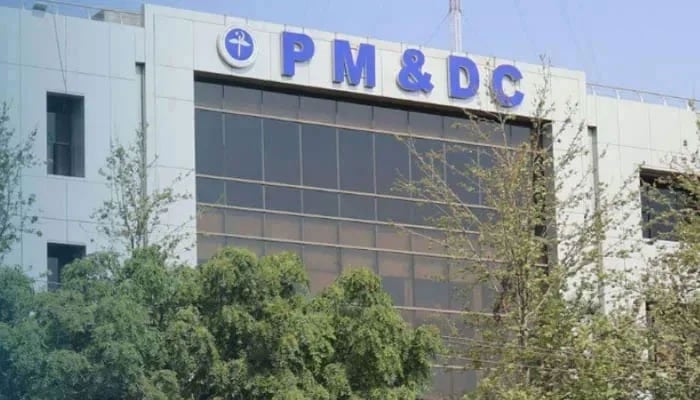
ISLAMABAD: The Pakistan Medical and Dental Council has warned medical graduates against enrolling in unrecognised postgraduate programmes offered by several universities, declaring that such qualifications will not be registered.
The alert comes as the country faces a growing mismatch between the number of doctors and limited accredited training opportunities. In an official statement, the PM&DC said a number of universities have been offering postgraduate medical and dental programmes to MBBS and BDS doctors without fulfilling mandatory accreditation requirements under Section 25 of the PM&DC Act, 2022. The council directed all such institutions to immediately discontinue these programmes.
The council emphasised that any postgraduate qualification obtained from these unrecognised programmes will not be accepted for registration, effectively rendering such degrees invalid for professional practice and career progression. It also warned universities against affiliating with or supporting unrecognised programmes and stated that no institution can launch or advertise postgraduate medical or dental training without prior approval from the PM&DC. The development comes as Pakistan continues to produce a growing number of medical graduates but lacks sufficient accredited postgraduate training positions, particularly in the public sector.
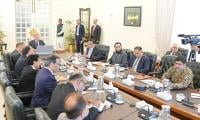
In a recent council meeting, the PM&DC urged provincial health departments to significantly expand residency training slots, noting that the main bottleneck in the country’s medical workforce is no longer the supply of doctors, but the shortage of structured training opportunities.
Over the past two decades, Pakistan has expanded undergraduate medical education, resulting in what officials describe as an adequate—and in some disciplines, surplus—number of graduates. However, the number of residency positions has not kept pace, leaving thousands of young doctors competing for limited training seats each year. Health experts say this gap has created space for unregulated and unaccredited postgraduate programmes, which exploit the desperation of doctors seeking specialisation and career advancement.
PM&DC President Prof Dr Rizwan Taj has stressed that expanding accredited training capacity is essential not only to absorb the growing number of graduates but also to strengthen the healthcare system by producing qualified specialists. The council has also recommended upgrading district and tehsil-level hospitals into accredited training centres to decentralise postgraduate training and improve access to specialist care in underserved areas.
Under the PM&DC Act 2022, the council is responsible for regulating standards and accreditation of medical education, while provincial governments are tasked with creating and funding training positions in public hospitals. The PM&DC maintained that its latest warning aims to protect young doctors from investing time and resources in invalid qualifications, while ensuring that medical training in Pakistan meets required professional and regulatory standards.