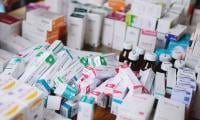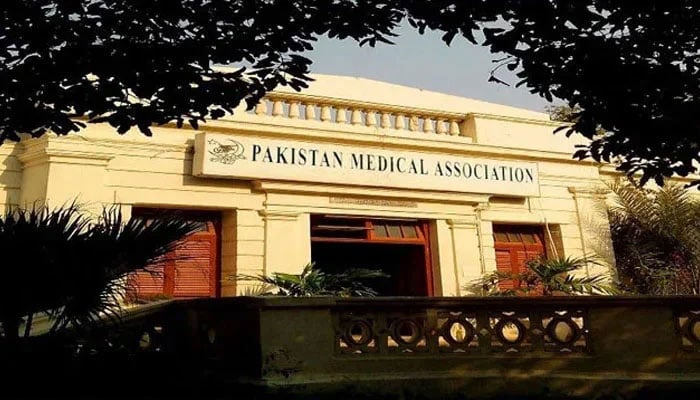
The Pakistan Medical Association and oncologists have warned that the persistent shortage of essential cancer medicines in the country has reached a critical stage, forcing patients to rely on smuggled and unregulated drugs and exposing them to serious health risks.
In a statement issued in response to growing reports of medicine shortage, the PMA said thousands of cancer patients were now caught between a life threatening illness and the inability to access legally available, affordable treatment. It described the situation as a humanitarian crisis rather than a routine supply issue, saying patients were increasingly being driven towards informal markets where the safety and authenticity of medicines could not be guaranteed.
The warning comes as oncologists across Pakistan continue to report the unavailability of both conventional and advanced cancer therapies used to treat a wide range of malignancies, including breast, lung, bladder, colorectal and cervical cancers as well as Hodgkin lymphoma.
Patients and doctors say that several widely used treatments are either unavailable or extremely difficult to obtain through authorised channels. These include intravesical BCG therapy such as OncoTice for bladder cancer, as well as modern immunotherapy drugs like pembrolizumab and nivolumab, which are considered standard treatment options internationally for multiple cancers.
With original brands often priced beyond the reach of most patients, many individuals are attempting to procure alternative or biosimilar versions from neighbouring countries such as India and Bangladesh through informal routes. However, health care professionals warn that such medicines are not registered in Pakistan and their quality, storage conditions and authenticity cannot be verified.
The PMA said this trend not only undermined patient safety but also compromised the efforts of oncologists who were forced to manage treatment using uncertain or substandard options. It noted that the absence of proper cold chain monitoring and quality assurance in smuggled medicines could significantly reduce treatment effectiveness or lead to adverse outcomes.
Medical experts say one of the key reasons behind the shortage is the delay in official price notifications for several critical medicines. Although the Drug Pricing Committee of the Drug Regulatory Authority of Pakistan (Drap) has finalised prices for a number of drugs and these have been endorsed by the Drap Policy Board, the federal cabinet has yet to issue the required notifications, preventing pharmaceutical companies from importing and marketing them legally.
Among the medicines awaiting formal approval are key oncology drugs such as pembrolizumab, nivolumab and nilotinib hydrochloride, which are widely used globally for advanced cancers and certain blood malignancies. Several other essential medicines and vaccines are also pending notification, further compounding supply challenges.
Pharmaceutical sector representatives say that without official price approval, companies cannot bring these medicines into the country through legal channels, creating a vacuum that is increasingly being filled by the grey market.
Chairman of the Pakistan Chemists and Druggists Association Abdul Samad Budhani pointed out that patients frequently approached pharmacies seeking medicines that were not registered in Pakistan, reflecting the widening gap between clinical need and market availability.
The PMA called for the federal government, the Ministry of National Health Services and Drap to treat the situation as a national emergency and take immediate steps to restore the supply of oncology medicines. It urged the authorities to expedite regulatory processes, facilitate the import of life saving therapies and ensure that these treatments were made affordable for patients.
The association also demanded accountability calling for a transparent inquiry into the factors behind the shortage, including regulatory delays and administrative lapses. At the same time, it urged strict action against those exploiting the crisis by selling smuggled medicines at high prices.
Healthcare experts warned that unless urgent corrective measures were taken, the continued unavailability of essential cancer medicines could further increase reliance on unsafe treatment options and worsen outcomes for thousands of patients across the country.