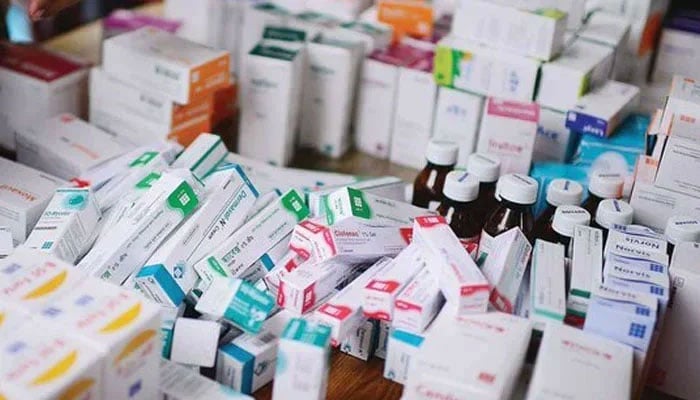
Pakistan’s pharmaceutical regulatory system has received a major international endorsement as the Central Drug Laboratory (CDL) Karachi of the Drug Regulatory Authority of Pakistan (DRAP) has been granted prequalification by the World Health Organization, enabling it to test medicines in line with globally accepted standards, officials said on Tuesday.
The development means that medicines tested at the CDL Karachi will now meet WHO benchmarks for quality, safety and efficacy, a move officials say will strengthen confidence in locally manufactured drugs and improve regulatory oversight across the country.
Chief Executive Officer of DRAP, Dr. Obaidullah, described the achievement as a significant milestone for Pakistan’s regulatory framework, saying it reflects the country’s growing capacity to ensure that medicines used by the public meet international standards.
He termed the prequalification a major step towards strengthening regulatory processes and aligning Pakistan’s pharmaceutical testing system with global best practices. DRAP’s CEO said the WHO prequalification follows rigorous evaluation of laboratory systems, technical capacity and compliance with international standards, including ISO-certified testing protocols. The CDL Karachi is equipped to test a wide range of pharmaceutical products, including conventional medicines, biologicals and other therapeutic products.
With this recognition, Pakistan joins a limited group of countries whose national laboratories are approved to conduct internationally credible testing of medicines, potentially reducing reliance on foreign laboratories and accelerating regulatory decisions.
According to DRAP officials, the prequalification is expected to enhance the credibility of Pakistan’s pharmaceutical sector, particularly in international markets, where quality assurance remains a key requirement for exports. They said the move could help increase pharmaceutical exports by improving global acceptance of drugs manufactured and tested in Pakistan.