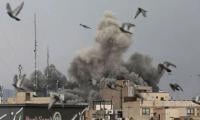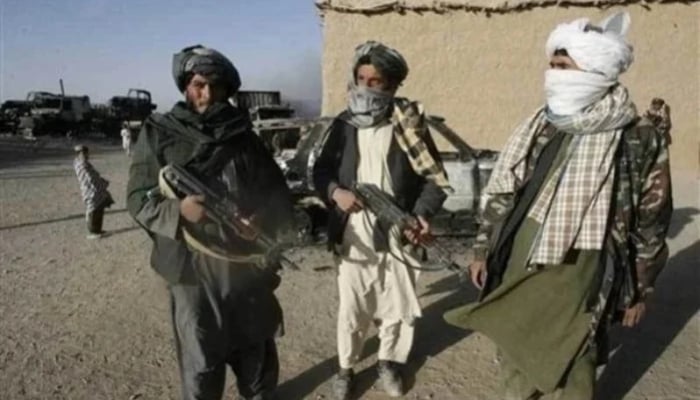
For decades, the spectre of cross-border militancy was defined by the shadowed movements of infantry; today, it is heralded by the low hum of ‘suicide drones’ drifting across borders.
This transition from traditional guerrilla warfare to the deployment of rudimentary yet deadly aerial systems represents a calculated escalation across our Western borders in Afghanistan. Far from being a mere military shift, this is a sophisticated hybrid strategy designed to bypass conventional defences while inflicting maximum psychological trauma on the civilian populace.
The use of Afghan soil as a laboratory for asymmetric violence confirms the international community’s worst fears, as recently echoed in the United Nations Security Council Resolution 2818. The operational core of this new wave of terror relies on a deeply cynical exploitation of ‘collateral damage’ as a primary weapon of war.
These insurgent groups frequently launch drone strikes into densely populated civilian areas, where the deliberate lack of precision in their technology is not a flaw, but a feature. When these drones strike a local home or a marketplace, the resulting carnage is immediately co-opted by a well-oiled disinformation machine embedded within local social fabrics.
The narrative is swiftly pivoted to blame the Pakistani state and its security forces, accusing them of using heavy-handed tactics against their own people. This orchestration of chaos reveals a total disregard for human life, where even women and children are treated as expendable pawns.
Beneath the surface of these seemingly ragtag militant operations lies a sophisticated network of foreign funding and external patronage. The sudden influx of drone technology, specialised components and the technical training required to weaponise commercial platforms does not happen in a vacuum. There is substantial evidence pointing to the involvement of external adversaries who find a convenient proxy in the Taliban-aligned Khwarij to bleed Pakistan.
The current posture of the Taliban regime reflects a pattern of non-compliance that has remained tragically consistent for nearly thirty years. Since the original UNSC Resolution 1267 in 1999, the global demand has been clear: Afghanistan must not be a safe haven for terror. Yet, the reality in 2026 remains one of permissive space where groups like Al-Qaida, ISIS-K, and the TTP share ideological and operational DNA with the ruling elite in Kabul. The regime often plays a dual role, projecting a facade of victimhood to garner international humanitarian aid, while simultaneously facilitating the very militias that target Pakistani schools and security posts.
The export of suicide bombers and weaponised drones is no longer a fringe activity but appears to be a centrepiece of a regional policy designed to extort concessions through violence.
In response to this persistent betrayal of trust, Pakistan’s shift from diplomacy to Operation Ghazab Lil Haq marks a definitive turning point in the conflict. This operation is not an act of aggression against a people, but a precise, surgical severing of the lifelines that sustain militancy.
By systematically dismantling the infrastructure of the Khwarij and their facilitators, Pakistan is sending an unambiguous message to Kabul and its patrons: the sanctity of Pakistani life is non-negotiable.
The writer is a freelance contributor and writes on issues concerning national and regional security. She can be reached at: [email protected]