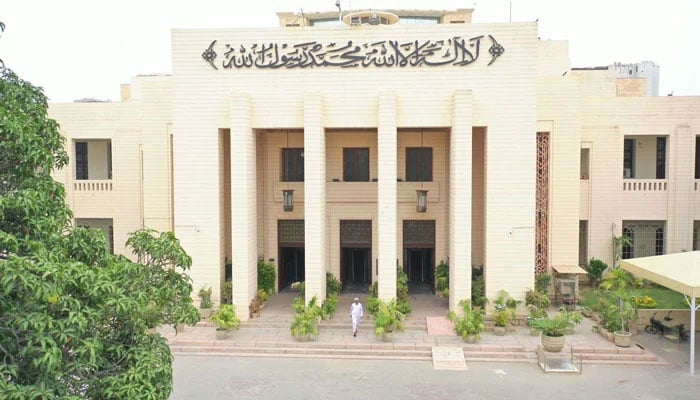
The Sindh Assembly Secretariat on Thursday issued a formal notification announcing comprehensive austerity measures aimed at promoting frugality and conserving fuel in view of the prevailing economic situation. The measures came into effect from 11 March 2026 and would remain in force until further notice.
According to the notification, Speaker of the Sindh Assembly Syed Owais Qadir Shah had voluntarily relinquished his salary and all privileges, including fuel allowances, for a period of two months. Similarly, a 25 per cent reduction had been imposed on the salaries and perks of Members of the Provincial Assembly, while officers in Grade 20 and above would face a deduction equivalent to two days’ salary.
Significant changes had also been introduced in the Secretariat’s administrative operations. Offices would remain closed on Fridays, Saturdays and Sundays, while 50 per cent of the staff would work from home on a rotational basis. Employees had been directed to remain available at all times and report to the office within one hour if required.
To ensure energy conservation, a target of 70 per cent reduction in energy consumption had been set. The use of non-essential electrical appliances would be restricted, and Assembly sessions would be held before sunset.
In the transport sector, measures include a 50 per cent cut in fuel allocation, the withdrawal of 60 per cent of official vehicles from use, and the promotion of carpooling to significantly reduce expenditure.
It had also been decided that meetings of standing committees of the assembly would be conducted online. Furthermore, a complete ban had been imposed on the purchase of new vehicles and equipment, official tours, and foreign travel until June 2026. Officials said these steps had been taken in light of current economic challenges to ensure the efficient use of government resources.