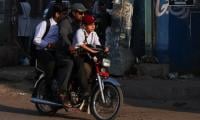
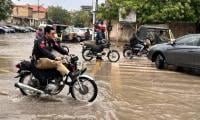
As rush hour sets in across Rawalpindi, a familiar scene unfolds long queues of vehicles crawling through narrow roads, motorcyclists weaving through traffic, and commuters anxiously checking the time. For thousands of residents who travel daily between Rawalpindi and Islamabad or within the city itself, traffic congestion has become an unavoidable part of life.
“Over the past decade, Rawalpindi has witnessed rapid population growth and a corresponding surge in the number of vehicles. Small cars and motorcycles now dominate the roads, placing immense pressure on an infrastructure that was never designed to handle such volumes,” says traffic police official.
“The most visible change has been the dramatic rise in motorcycles. For many middle-income households, motorcycles offer an affordable and flexible means of transport. However, the growing number of two-wheelers has also contributed to congestion and safety concerns. Motorcycles help families manage rising fuel and transport costs, but they also create traffic problems, particularly at busy intersections,” adds traffic official.
“Cars have also increased steadily, especially with the expansion of residential areas on the city’s outskirts. Commuters from neighborhoods such as Bahria Town, Gulraiz and Adiala Road frequently travel into central Rawalpindi for work or education, adding to peak-hour traffic. Key corridors such as Murree Road, Benazir Bhutto Road and Airport Road face the heaviest traffic loads. Murree Road in particular serves as a lifeline connecting Rawalpindi’s commercial centers with Islamabad, making it one of the busiest roads in the twin cities,” says Salman Haider.
“While the E-Bus and Metro Bus service eased pressure for some commuters, transport planners say the city still lacks an integrated public transport network capable of reducing dependence on private vehicles. Most residents still rely on motorcycles and vans to complete their journeys,” says Hasan Alvi.
“Minibuses and wagons remain a critical part of Rawalpindi’s mobility system. Yet many vehicles are ageing, poorly regulated and often overcrowded. Commuters frequently complain about irregular routes, long waiting times and safety issues. Women in particular face difficulties finding reliable and secure transport during peak hours,” says Afsheen Ali.
“Encroachments along commercial streets like Raja Bazaar and Committee Chowk continue to narrow road space. Informal parking on both sides of busy roads further restricts vehicle movement. Traffic police regularly launch anti-encroachment and parking enforcement drives, but officials admit that the problem quickly resurfaces,” says Rafiq Hussain.
“Rawalpindi needs a comprehensive transport strategy that includes improved public transport, better traffic management and investment in road infrastructure. Proposals often discussed include expanding mass transit routes, introducing modern bus fleets, and improving pedestrian facilities. However, implementation remains slow amid financial and administrative constraints,” says Saadat Ali.