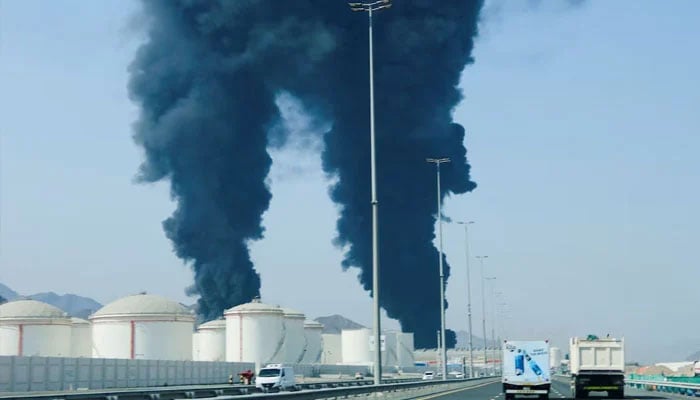
What is unfolding across the Gulf is not just another episode of regional instability but a structural shock. The following trends, already visible, are likely to deepen in the months ahead.
First, Gulf states will have to confront an uncomfortable truth: the presence of foreign military bases on their soil is no longer an unambiguous guarantee of security. For decades, these bases were seen as deterrents – symbols of protection underwritten by Western power.
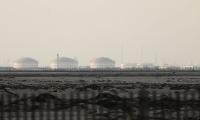
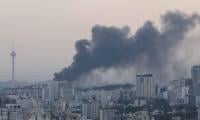
Today, however, they increasingly appear to function as magnets for retaliation. The near-daily rhythm of drone and missile attacks has altered public perception. What was once viewed as a shield is now, by many, seen as a liability. This does not mean that Gulf governments will abruptly eject foreign forces, but it does suggest that the terms of these arrangements – and their visibility – will come under sharper scrutiny from domestic audiences.
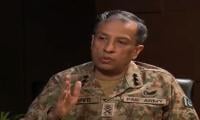
Closely linked to this is a second, more destabilising perception: that the US is either unwilling or unable to come to the immediate defence of its partners as it once might have. Whether or not this perception is entirely accurate is almost beside the point; in geopolitics, perception often becomes reality. For many in the region, the current moment feels like a strategic vacuum. Countries that built their security doctrines around external guarantees now find themselves reassessing their options. Saudi Arabia, notably, retains its longstanding defence cooperation with Pakistan, which may take on renewed importance as regional dynamics shift.
Third, the potential outflow, or at least hesitation, of the expatriate communities that have been central to the Gulf’s economic model. Cities such as Hong Kong, Singapore, Kuala Lumpur and even Istanbul offer comparable professional opportunities with a perception of greater stability.
At the same time, there is an opportunity for countries that have historically struggled with image problems. In a region where relative stability suddenly carries a premium, states that have remained unscathed by the current conflict can reposition themselves. Pakistan is a case in point. Long viewed through the prism of its internal challenges, it now has an opening to present itself as a viable destination for investment, transit, and even talent. This will, of course, require more than opportunistic messaging; it will demand sustained policy consistency and on-the-ground improvements. But the opportunity is real.
The aviation sector offers a concrete example of how these shifts might play out. The Gulf has, for years, dominated global transit traffic. Disruption to these hubs, whether temporary or prolonged, creates gaps in global connectivity. Nearby countries, particularly Pakistan, could seek to capture a share of this displaced demand. This would involve upgrading infrastructure, improving service standards, and ensuring security and reliability. It is not automatic, but it is plausible if approached strategically.
All this points towards a broader transformation in the region’s security architecture. If reliance on external powers is no longer seen as sufficient, Gulf states will have little choice but to invest more heavily in their defence capabilities. This includes not only hardware but also training, doctrine and coordination.
A more self-reliant framework could also take a multilateral form. There is a strong case for a West Asian security arrangement involving key regional players such as Saudi Arabia, Turkiye, and Pakistan. Such an alliance would not replace existing partnerships overnight, but it could complement them, providing an additional layer of collective security rooted in regional interests rather than external priorities.
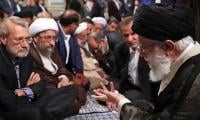
Finally, it is worth acknowledging Pakistan’s diplomatic posture in the current crisis. Islamabad has attempted a delicate balancing act, condemning violence on all sides while maintaining engagement with multiple stakeholders. It has expressed condolences following the death of Iran’s Supreme Leader, Ayatollah Ali Khamenei, while also reaching out to the new leadership. At the same time, it has criticised attacks on both Iran and the Gulf states, signalling a desire to avoid taking sides in a deeply polarised conflict.
Pakistan’s diplomatic outreach has been active and multilateral. It has maintained contact with Iran’s leadership while coordinating with countries such as Oman, Egypt, and Turkiye in efforts to mediate and de-escalate tensions. Simultaneously, it has maintained close ties with Saudi Arabia, as seen in high-level visits, including Prime Minister Shehbaz Sharif’s meeting with Crown Prince Mohammed bin Salman. All of this has taken place against the backdrop of ongoing challenges on Pakistan’s western border with the Afghan Taliban, making the balancing act even more complex.
None of these trends is inevitable in its final form, and much will depend on how governments respond in the coming weeks and months. But what is clear is that the old assumptions no longer hold.
The Gulf and the wider region are entering a period of recalibration. Those who recognise this early and adapt accordingly will be better placed to navigate what comes next.
The writer is a journalist based in Karachi. He tweets/posts @omar_quraishi and can be reached at: [email protected]